
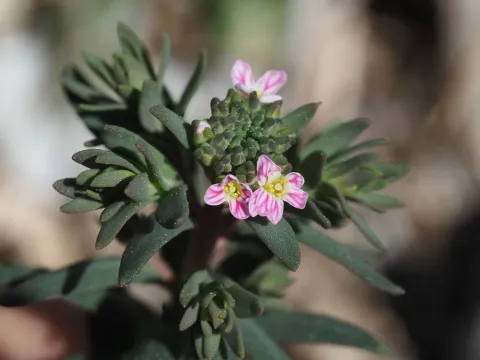
Aethionema
Aethionema
Aethionema seeds are typically sown in early spring when the danger of hard frost has passed. The seeds should be sown shallowly, as they require light to germinate effectively; it is best to barely cover them with a thin layer of fine, well-draining grit or sand.
What the section contains
Aethionema
For greenhouse or indoor starting, sow the seeds in late winter or early spring using a lean, sterile seed-starting mix. Maintain a consistent temperature of around 18-20 degrees Celsius and provide bright, indirect light to encourage healthy root development before transplanting.
Germination can be erratic and often takes several weeks. Once the seedlings have developed their first set of true leaves, they should be carefully pricked out and potted individually into small pots to avoid root disturbance during the final transition to the garden.
Transplanting into the permanent location should be done once the plants are well-established. It is crucial to move the plants with their root balls intact, as they dislike root disturbance, which can lead to transplant shock and slow establishment.
Space the plants approximately 20-30 centimeters apart to ensure adequate airflow around the foliage. Proper spacing prevents the build-up of moisture around the base of the plant, which is essential for maintaining the health of this delicate perennial.
Aethionema, a member of the Brassicaceae family, is native to the rocky, mountainous regions of the Mediterranean and Western Asia. These plants thrive in full sun and require a location where they can receive at least six to eight hours of direct light daily.
The soil must be exceptionally well-draining, preferably neutral to slightly alkaline. Incorporating gravel or coarse sand into the planting site is highly recommended to replicate their natural habitat and ensure that water does not sit around the crown of the plant.
The species is remarkably drought-tolerant, making it an excellent candidate for rock gardens, crevice plantings, and troughs. Supplemental watering should only be provided during severe heatwaves or prolonged dry spells, taking care to water only at the base.
Nutrient requirements are very low; in fact, over-fertilization often harms the plant by inducing soft, leggy growth that is susceptible to pests and diseases. A light application of balanced, slow-release fertilizer in early spring is usually more than sufficient.
Winter care focuses on keeping the crown dry. While the plants are hardy, they struggle with "wet feet" during the winter months, so ensure the site is elevated or sloped to facilitate rapid water run-off throughout the dormant season.
The primary threats to Aethionema are fungal diseases related to poor drainage and high humidity. Root rot is the most common cause of plant failure, often occurring when the soil remains too moist for extended periods, especially during rainy seasons.
Prevention is centered on site selection and soil structure. If an area shows signs of poor drainage, it must be amended with additional inorganic material like perlite or crushed stone before planting to ensure quick infiltration.
Pests such as aphids and flea beetles may occasionally attack the foliage, especially when the plant is stressed by environmental factors. Regular monitoring is advisable to detect infestations early before they significantly compromise the plant's health.
If chemical intervention is necessary, opt for low-impact insecticidal soaps or systemic pesticides suitable for ornamental crops. Always apply treatments in the cooler parts of the day to avoid leaf scorch and potential damage to the plant's delicate tissues.
Maintaining a weed-free environment is a critical cultural practice. Weeds compete for resources and often host the very pests and pathogens that threaten Aethionema, so keeping the area clean is essential for the long-term success of the planting.