
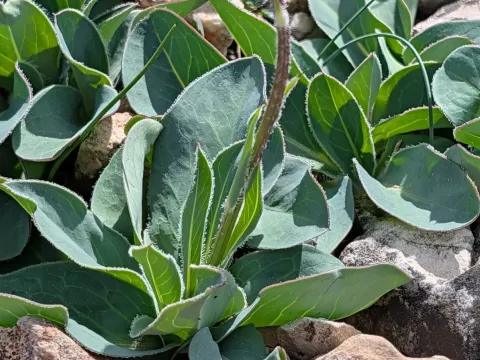
Klasea
Klasea
Klasea, represented by species such as Klasea pontica, belongs to the Asteraceae family. For successful cultivation, sowing is typically recommended in late autumn, allowing the seeds to undergo natural stratification in the soil through winter temperatures.
What the section contains
 Klasea baetica
Klasea baetica
Klasea baetica
 Klasea cardunculus
Klasea cardunculus
Klasea cardunculus
 Klasea centauroides
Klasea centauroides
Klasea centauroides
 Klasea cerinthifolia
Klasea cerinthifolia
Klasea cerinthifolia
 Klasea erucifolia
Klasea erucifolia
Klasea erucifolia
 Klasea flavescens
Klasea flavescens
Klasea flavescens
 Klasea integrifolia
Klasea integrifolia
Klasea integrifolia
 Klasea legionensis
Klasea legionensis
Klasea legionensis
 Klasea lycopifolia
Klasea lycopifolia
Klasea lycopifolia
 Klasea nudicaulis
Klasea nudicaulis
Klasea nudicaulis
 Klasea pinnatifida
Klasea pusilla
Klasea pusilla
Klasea pinnatifida
Klasea pinnatifida
Klasea pusilla
Klasea pusilla
 Klasea quinquefolia
Klasea quinquefolia
Klasea quinquefolia
 Klasea radiata
Klasea radiata
Klasea radiata
Klasea
If spring sowing is preferred, seeds must be artificially stratified in a refrigerator at temperatures between 0 and 5 degrees Celsius for several weeks. This process is essential to break seed dormancy and ensure uniform germination once the seeds are placed in the ground.
Seeds should be sown at a shallow depth of no more than 1-2 centimeters. The soil must remain consistently moist during the germination period, but care should be taken to avoid waterlogging, which can easily damage the delicate seedlings during their initial development.
For optimal growth, a spacing of approximately 40-50 centimeters between rows is advised. This allows each plant sufficient room to develop its root system and ensures proper air circulation, which is crucial for the health of the plant throughout its long life cycle.
In the first year of life, the plant primarily develops a rosette of basal leaves. True flowering usually commences in the second or third year, once the plant has established a robust root system, characteristic of hardy perennial species of this family.
Klasea thrives in open, sunny locations. Exposure to full sunlight is vital for the plant to develop strong stems and produce abundant, characteristic flowering heads. In shady conditions, the plants become spindly and the intensity of blooming is significantly reduced.
The ideal soil for this crop is well-drained, fertile loam or chernozem with a neutral to slightly alkaline pH. The plant is highly sensitive to heavy, clay-rich soils that retain moisture, as these conditions frequently lead to root rot and other fungal pathogens.
While Klasea is known for its resilience to drought, providing moderate moisture during the spring growth phase is beneficial. Once established, the plants demonstrate excellent drought tolerance, surviving in dry conditions better than many other garden perennials.
Soil aeration is critical; frequent weeding and shallow cultivation between rows help the roots breathe. Fertilization should be moderate, focusing on organic matter rather than high-nitrogen synthetic fertilizers, which can cause excessive vegetative growth at the expense of flowers.
In its natural habitat, Klasea grows on rocky slopes and steppes, reflecting its preference for sites with excellent drainage. Gardeners should mimic these conditions to provide the plant with an environment that promotes longevity and minimizes disease pressure.
The primary agricultural and ecological value of Klasea lies in its role as an excellent honey plant. It attracts a wide array of pollinators, particularly bees, during the summer season, making it a valuable addition to areas aiming to support beneficial insect populations.
In ornamental horticulture, Klasea is prized for its unique, thistle-like flower heads. It is a preferred choice for naturalistic gardens, meadow-style plantings, and wildflower gardens, where its low-maintenance nature and structural beauty are highly valued.
The plant has potential in the pharmaceutical industry due to the presence of specific bioactive compounds within its tissues. Ongoing research into the phytochemical profile of the genus suggests that it may possess useful anti-inflammatory or antioxidant properties.
Seed production yields are highly dependent on the local climate and the presence of native pollinators during the flowering window. To ensure a high-quality seed crop, the use of pesticides should be strictly avoided during the blooming period to protect bees.
When used as a cut flower, Klasea is appreciated for its long vase life. The flower heads remain attractive for an extended duration, allowing them to be utilized in complex floral arrangements or dried to create everlasting decorations for interior design.
Root rot is the most significant threat, particularly in poorly drained soils or during exceptionally wet seasons. Preventive measures, such as selecting a site with superior drainage and avoiding excess irrigation, are the most effective ways to combat this issue.
Powdery mildew may appear in the late summer when humidity levels are high and airflow is restricted. Thinning out dense patches of the plant helps maintain air circulation, which reduces the likelihood of fungal outbreaks significantly.
Common pests like aphids can sometimes infest the young shoots and flower buds, extracting sap and reducing plant vigor. Biological controls or targeted, non-persistent insecticides are recommended to manage populations without harming the visiting pollinator species.
Weed competition is only a challenge during the first year of growth when the plant is establishing its base. Once established, the root system of Klasea becomes robust enough to outcompete most common annual weeds, minimizing the need for constant maintenance.
Slugs and snails can cause damage to the tender basal leaves in early spring, especially in damp regions. Using physical barriers like gravel or organic-friendly traps can effectively protect the plants during their most vulnerable growth stages.