
Klasea pinnatifida
Klasea pinnatifida
Description
Growing requirements
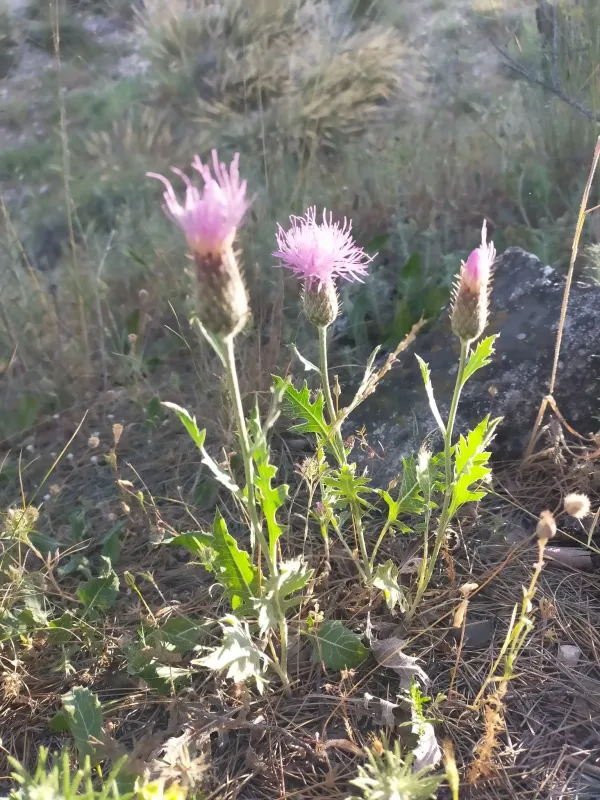
Klasea pinnatifida is a perennial herbaceous plant belonging to the Asteraceae family. Previously included in the genus Serratula, this species is known for its resilience and specific adaptation to temperate climatic conditions.
The plant thrives in well-drained, fertile loam soils with a neutral or slightly alkaline pH. It exhibits high winter hardiness and can endure periods of drought thanks to a well-developed root system that accesses subsoil moisture.
Its natural range includes the steppes and forest-steppes of Eurasia. It prefers open, sun-exposed sites where it can fully express its vegetative potential during the early spring and summer months.
Botanically, it is recognized by its pinnatisect leaves and characteristic thistle-like flower heads. The crop begins its growth cycle early in the season, allowing for significant biomass accumulation before the peak summer heat.
Economically, Klasea pinnatifida is valued as a nutritious forage crop and an excellent honey plant for pollinators. Its ability to improve soil structure makes it an interesting candidate for diverse crop rotation schemes.
Main diseases and pests
The crop is generally robust, but it can be susceptible to powdery mildew under conditions of high humidity and poor air circulation within the canopy.
Typical insect pests, such as aphids and specific weevils, may occasionally target the foliage, causing stress to the plant during its active development phase.
Effective management includes maintaining proper spacing between plants and ensuring that the field remains free from dense weed populations that harbor pests.
Fungicide application should be reserved for severe outbreaks, given the plant’s naturally occurring secondary metabolites that provide a degree of biological defense.
Routine monitoring during the budding stage is the most effective agronomic practice to detect and address potential threats before they reach economic damage levels.