
Klasea integrifolia
Klasea integrifolia
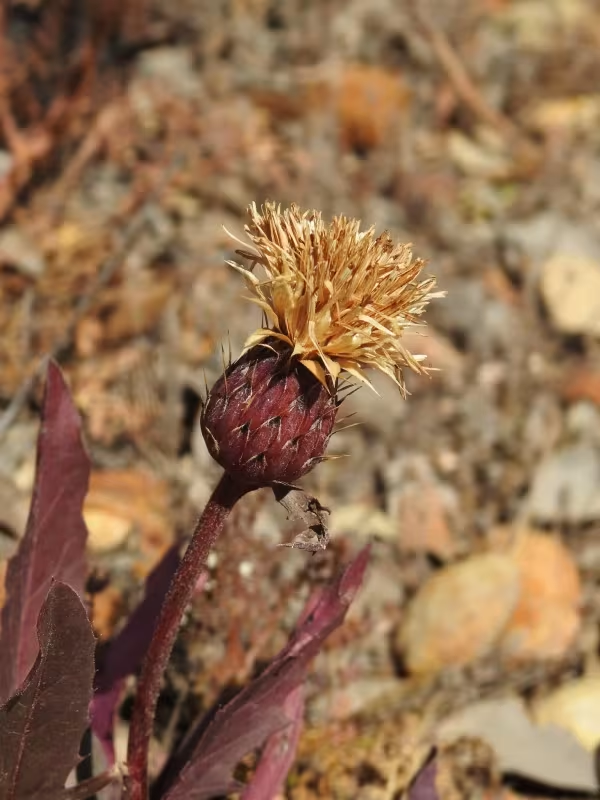
Description
Sowing dates
Klasea integrifolia is a perennial herbaceous plant belonging to the Asteraceae family. It is known for its resilience and adaptability to various environmental conditions, making it a subject of agricultural interest.
The sowing process typically begins in early spring, once soil temperatures have reached a stable level, usually around 10–12 degrees Celsius. This ensures optimal conditions for seed germination and root system development.
Seeds should be sown at a shallow depth of 1–2 centimeters, allowing them to remain in contact with soil moisture while receiving enough warmth to break dormancy efficiently.
For large-scale cultivation, drilling is preferred with appropriate spacing to allow for individual plant development. Spacing of 30–40 centimeters between plants is generally recommended to maximize biomass production.
Alternatively, greenhouse-grown seedlings can be used for transplantation. This approach provides a head start during the growing season and ensures higher survival rates for the crop in the field.
Growing requirements
The plant thrives in well-drained, fertile soil types such as loams or chernozems. Proper drainage is essential to prevent root saturation, which can severely hinder the plant's health.
Sunlight exposure is a critical requirement for Klasea integrifolia. Plants grown in shaded conditions tend to be weaker and have lower concentrations of secondary metabolites, which are essential for commercial use.
Water requirements are moderate. While the plant is inherently drought-tolerant, consistent moisture levels during the active growth phase are necessary to ensure high-quality yields.
The crop is highly tolerant of varying temperature ranges, making it suitable for temperate climates. It exhibits good winter hardiness, allowing it to survive frost cycles effectively.
Maintaining soil structure through regular weeding and minimal tilling is beneficial. This allows for better nutrient uptake and root aeration, supporting the plant's long-term sustainability.
Yield
The economic value of Klasea integrifolia lies in its aerial biomass, which is harvested during the peak flowering stage. This period ensures the highest content of active compounds.
Yield stability is generally achieved from the second year of cultivation onwards. The plant reaches its peak biomass production between the second and third years of life.
Harvesting techniques involve precision mowing to ensure the root crown remains intact for future regeneration. Proper timing is essential to ensure that the biomass is of high quality.
After the primary harvest, the plant is capable of regrowth if moisture levels are sufficient. This secondary growth can provide an additional yield towards the end of the season.
Post-harvest management involves immediate drying or processing. Keeping the biomass free from contaminants and excessive moisture is paramount to maintaining the commercial standard of the product.
Main diseases and pests
Fungal infections, such as powdery mildew, are common issues in high-density plantings. Ensuring good air circulation and spacing is the primary method of preventing these diseases.
Root rot caused by poor soil drainage can be detrimental to the crop. It is critical to manage water levels precisely to prevent this condition from spreading through the plantation.
Pests like aphids and leaf-eating insects may impact the crop during the early stages of development. Regular inspection and the use of targeted control measures are recommended.
Weed management is vital during the establishment phase. Young Klasea plants are sensitive to competition for nutrients and water, necessitating regular manual or mechanical weeding.
Effective crop protection relies on early identification of symptoms. Regular monitoring protocols assist in mitigating potential losses caused by common regional pathogens or pests.