
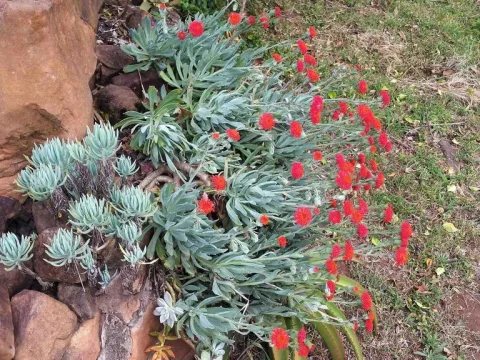
Kleinia
Kleinia Mill.
Kleinia (Kleinia) is a genus of succulent plants belonging to the family Asteraceae. These plants are characterized by their fleshy, moisture-storing stems and leaves, which have evolved to survive in arid, high-temperature environments across Africa and the Canary Islands.
What the section contains


Kleinia
The botanical structure of Kleinia includes species ranging from small shrubs to herbaceous succulents. They often exhibit a distinct waxy cuticle, which acts as a protective barrier against extreme heat and UV radiation in their native habitats.
Successful cultivation of Kleinia requires high levels of solar irradiance and well-drained, gritty soil. A standard cactus or succulent substrate with a neutral to slightly alkaline pH is ideal for promoting healthy root development and preventing waterlogging.
Watering requirements follow a strict seasonal pattern: generous but infrequent watering during the growing season, contrasted with a nearly dry period during winter dormancy. This cycles mimics the natural drought-and-rain phases of their indigenous range.
In terms of хозяйственное usage, Kleinia species are primarily utilized as ornamental crops. Their architectural morphology makes them desirable for rock gardens, xeriscaping projects, and as specimen plants in indoor botanical collections.
Root and stem rot caused by Pythium and Phytophthora species are the primary threats to Kleinia. These pathogens thrive in waterlogged, poorly aerated soil, leading to rapid tissue decay and plant collapse.
Pests, specifically mealybugs and spider mites, are frequent challenges. Mealybugs tend to hide in the joints of the succulent stems, while spider mites cause visible stippling and webbing on the surface of the plant.
Integrated pest management involves the use of horticultural oils or systemic insecticides. Application should be precise, ensuring that the wax coating of the plant remains intact during the process to prevent chemical stress.
Environmental stress, particularly low light exposure during winter, leads to etiolation. While not a lethal disease, it significantly diminishes the structural integrity and aesthetic value of the plant.
To ensure long-term plant health, cultivators should strictly follow sanitary practices, including the sterilization of pots and tools. Preventing soil compaction through the addition of inorganic amendments is also a key strategy for disease mitigation.