
Klasea quinquefolia
Klasea quinquefolia
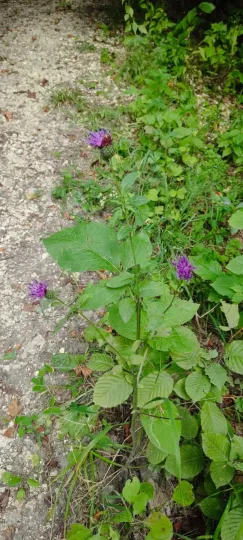
Description
Sowing dates
Klasea quinquefolia, a member of the Asteraceae family, is a perennial plant known for its structural stability and adaptability. Successful establishment begins with proper soil preparation and seed selection.
Seeds are typically sown in early spring or autumn. To ensure optimal germination, seeds should be sown at a depth of approximately 1-2 cm, ensuring the soil remains moist but not waterlogged during the establishment phase.
For commercial cultivation, row spacing should be maintained between 45 and 60 cm. This spacing facilitates mechanical weeding and ensures adequate space for each plant to develop its root system and foliage.
Initial soil preparation involves deep plowing and the incorporation of balanced fertilizers to support the plant's development during its first growing season.
Once established, the plants demonstrate high vigor and can propagate through both seeds and the division of rhizomes, making them a durable crop for various landscape applications.
Growing requirements
Klasea quinquefolia thrives in sunny locations with well-draining soil. It is highly adaptable to various soil types but prefers fertile loams with a neutral to slightly alkaline pH range.
Water requirements are moderate. While the plant is drought-tolerant once established, supplemental irrigation during prolonged dry spells significantly enhances biomass production.
The climate requirements for this species include temperate conditions with distinct seasonal changes. It is highly resistant to frost and can overwinter successfully without special protection in most regions.
Drainage is a critical factor for the longevity of the stand. Low-lying areas prone to standing water should be avoided, as root aeration is essential for healthy growth and preventing rot.
Overall, the plant is relatively low-maintenance, requiring only basic fertilization and seasonal clearing of debris to remain productive for several years.
Main diseases and pests
Like many species in the Asteraceae family, Klasea quinquefolia can be susceptible to fungal pathogens such as powdery mildew, especially in humid and poorly ventilated environments.
Insect pests such as aphids and leaf miners may occasionally cause minor damage. Regular field scouting is the most effective way to identify infestations early and apply corrective measures.
Weed competition is a primary threat, particularly during the first year of growth. Effective weed management strategies, including mulching or mechanical cultivation, are necessary to protect the crop.
Proper sanitation, including the removal of infected plant debris at the end of the season, is crucial for preventing the carry-over of pathogens into the following year.
By implementing integrated pest management practices, producers can minimize the need for chemical interventions and ensure the sustainable production of the crop.
Harvesting
Harvesting strategies depend on the end-use of the product, whether it is for biomass production, floral use, or seed collection. For biomass, the optimal time is during the early flowering stage.
If seeds are the intended goal, the harvest should be timed for when the majority of the flower heads have matured but before they naturally disperse the seeds.
Mechanical harvesting is generally feasible for larger plantations using standard mowing equipment. The material should be processed immediately after harvesting to preserve its quality.
Post-harvest drying is recommended to prevent molding, particularly when the moisture content is high. Proper storage in a dry and cool facility ensures the longevity of the harvested raw materials.
Yield stability is maintained by proper timing, allowing the plants to recover sufficiently for the following season's growth cycle.