
Klasea baetica
Klasea baetica
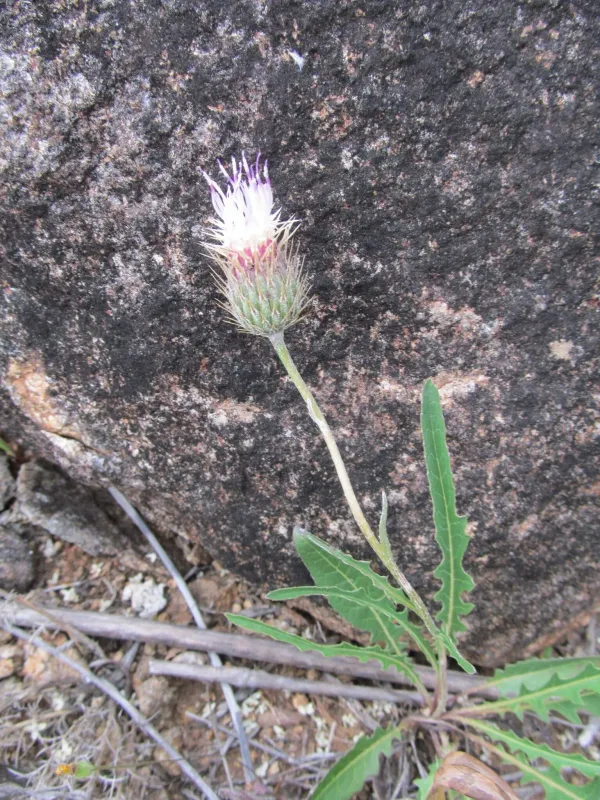
Description
Sowing dates
Klasea baetica is a herbaceous perennial plant belonging to the Asteraceae family. Known for its adaptability, it is indigenous to Mediterranean climates where it thrives in open areas.
Sowing should take place in late spring, ensuring the soil has sufficiently warmed to promote rapid germination. Precise depth control is essential for establishing a robust root system.
Standard seeding rates are determined by the intended use, typically involving rows spaced to allow for optimal light penetration and ventilation between individual plants.
Soil preparation includes fine tilling to provide a seedbed that allows the small seeds to establish firm contact with the earth, which is critical for moisture absorption.
Initial establishment is slow, requiring dedicated management to prevent competition from invasive weed species during the first six weeks of growth.
Growing requirements
This crop thrives in well-drained, sandy-loam soils. It is particularly noted for its drought tolerance once established, making it suitable for areas with limited irrigation capacity.
It prefers a sunny, open environment and is sensitive to heavy shade, which can lead to reduced biomass production and weakened stem structure.
Soil pH should ideally range between 6.5 and 7.5. Although it tolerates varied fertility levels, high-yield results are observed in nutrient-rich, well-aerated substrates.
Temperature management is straightforward, as the plant is adapted to warm summers; however, it requires protection from waterlogging during dormant periods.
Annual fertilization plans should prioritize phosphorus and potassium to support flowering and secondary root growth, especially in low-nutrient soil profiles.
Main diseases and pests
Common threats include fungal pathogens such as powdery mildew, which thrive in stagnant air conditions, often occurring in dense or unmanaged plantings.
Insect pests, including aphids and beetle larvae, represent potential challenges, particularly during the early vegetative stages before the plant matures.
Integrated Pest Management (IPM) strategies, including biological controls, are highly recommended to minimize chemical reliance while maintaining crop health.
Proactive monitoring of leaf health is crucial to detect early signs of chlorosis or mechanical damage caused by local herbivore activity.
- Use of certified pathogen-free seeds to reduce early-season disease risk.
- Strategic pruning or thinning of crops to maximize air circulation.