
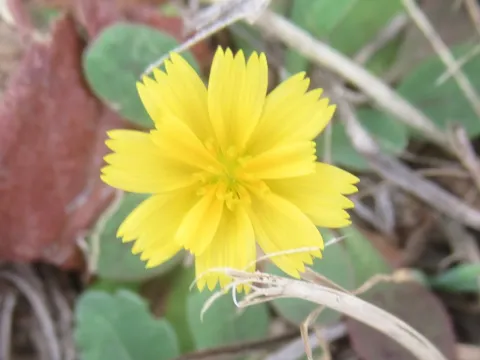
Krigia
Krigia
Krigia, a genus of plants belonging to the Asteraceae family, is commonly known as dwarf dandelion. Cultivation typically begins in early spring when soil conditions are optimal for seed germination.
What the section contains


Krigia
Small seeds require shallow planting, usually at a depth of 0.5 to 1 centimeter, to ensure they have enough energy to emerge through the soil surface efficiently.
It is important to prepare a fine tilth seedbed to provide close contact between the soil and the seed, which significantly improves the uniformity of the plant stand.
The sowing density should be managed based on the specific species and the intended end use, as Krigia plants typically grow in rosettes that require space to expand.
Regular maintenance of sowing equipment is necessary to ensure consistent distribution and proper depth, as inconsistent planting can lead to non-uniform maturation stages.
Krigia species are generally adapted to moderate climates, preferring well-drained, nutrient-rich soils that retain moisture without becoming waterlogged.
The plant demonstrates good tolerance for varying light conditions, though it flourishes best in full sun or light partial shade, mimicking its natural meadow habitat.
Soil pH levels should be maintained in the slightly acidic to neutral range (6.0 to 7.0), as this provides the best availability of essential nutrients for growth.
While the crop is relatively resilient, supplemental irrigation during dry periods is highly recommended to maintain steady vegetative growth and prevent premature bolting.
Organic matter incorporation during soil preparation improves soil structure and nutrient retention, creating an ideal environment for the development of healthy root systems.
The yield potential of Krigia is primarily assessed by its vegetative biomass production, which is influenced by soil fertility and consistent moisture availability throughout the season.
Under optimal growing conditions, the plant can produce significant foliage cover, which is highly valued in various agricultural and ecological restoration applications.
Harvest timing is critical; foliage should be collected before the plant transitions into the flowering phase to ensure the highest nutritional quality and biomass accumulation.
Factors such as weed competition significantly impact final yields, as Krigia's slow initial growth rate makes it vulnerable to shading and nutrient theft from invasive species.
Continuous monitoring of the crop canopy density allows producers to adjust fertility levels and optimize plant health, thereby securing a stable and productive harvest output.
Powdery mildew represents a major threat, particularly in dense stands with poor airflow, necessitating strict plant spacing and humidity control strategies.
Pests such as aphids are frequently observed on the tender leaves of Krigia; their presence can lead to stunted growth and the transmission of plant viruses.
Root rot, induced by waterlogged conditions, is a persistent threat that requires careful irrigation management and selection of well-drained sites for cultivation.
Integrated pest management, including the use of trap crops and biological controls, can effectively reduce the incidence of pest damage while minimizing chemical inputs.
Weed management is arguably the most labor-intensive aspect, as the competition from fast-growing weeds can quickly overwhelm the young Krigia plants during their establishment.
Harvesting usually involves mechanical cutting or manual collection of the foliage depending on the scale of production and the specific agricultural requirements.
For optimal results, harvesting should occur during the cooler hours of the day to minimize post-harvest moisture loss and maintain the integrity of the plant tissues.
Post-harvest handling requires immediate cooling or drying to preserve the bioactive compounds present in the plant, which are often the target of cultivation efforts.
Strategic timing allows for potential regrowth, as Krigia plants may produce secondary foliage if harvesting does not severely damage the crown of the plant.
Cleaning and sorting of the harvested product are essential steps to remove soil debris and weed contaminants, ensuring the final batch meets quality standards.