
Klasea erucifolia
Klasea erucifolia
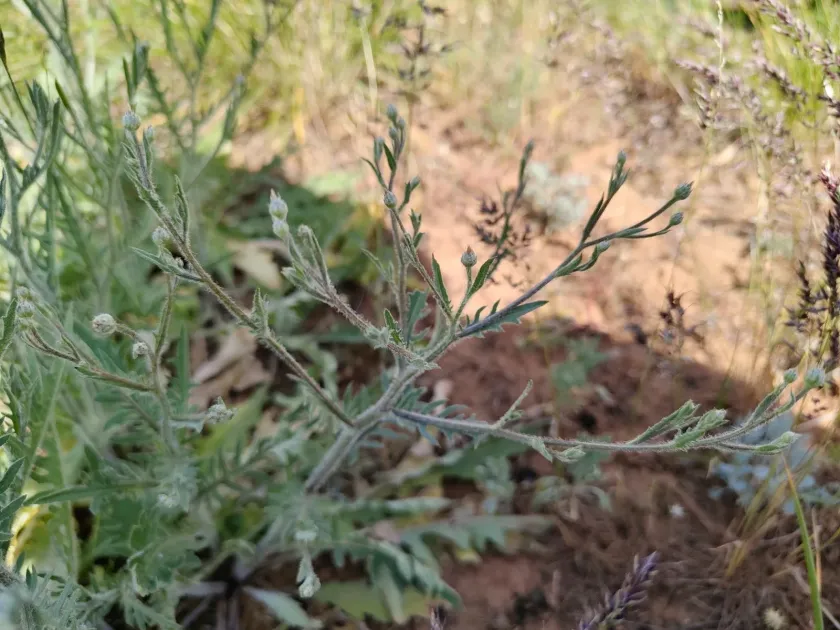
Description
Sowing dates
Klasea erucifolia is a perennial herbaceous plant belonging to the Asteraceae family. Successful propagation requires careful preparation, as the seeds have a dormant period that must be overcome through cold stratification.
For best results, seeds should be sown in late autumn. This ensures the seeds undergo natural cycles of temperature changes, leading to high germination rates when the spring warming begins.
The optimal planting depth is about 1 to 2 centimeters. Because the plant develops a deep taproot, it is essential to prepare the seedbed thoroughly by tilling the soil to ensure proper root penetration.
Seedlings show slow initial growth as they focus on forming a basal rosette of leaves. During this phase, it is crucial to keep the area free from competing weeds to allow the plant to establish itself.
Spacing between plants should be adjusted according to soil fertility. A spacing of at least 30-40 cm allows for proper airflow and prevents the buildup of humidity around the stems.
Growing requirements
This species thrives in sunny, open locations. It is well-adapted to steppe environments where direct sunlight is abundant throughout the day, which is vital for the development of its flowers.
The plant prefers well-drained, porous soils. It is sensitive to waterlogging, so heavy clay soils should be amended with organic matter or sand to improve structure and drainage capabilities.
Klasea erucifolia is highly drought-tolerant once established. Its morphological adaptations allow it to survive in regions with hot, dry summers and limited precipitation.
Neutral to slightly alkaline soil pH is preferred. In areas with acidic soil, the application of lime is recommended to create optimal conditions for nutrient uptake and overall plant vigor.
Regular maintenance includes soil loosening to provide aeration. Adequate oxygen supply to the roots is a key factor in ensuring consistent growth and development during the vegetative stage.
Main diseases and pests
Klasea erucifolia is generally resistant to many common agricultural pests. However, it can be susceptible to root rot if grown in poorly drained areas or during seasons with excessive moisture.
Fungal diseases like powdery mildew may appear in crowded or damp conditions. To mitigate this, ensure proper plant spacing and avoid overhead watering that keeps foliage wet for too long.
Aphids can occasionally target the tender new growth during the spring. Monitoring is essential; if the pest population reaches a critical threshold, targeted biological controls are advised.
Weed management is the most significant labor-intensive aspect of cultivation. The plant's slow start makes it vulnerable to aggressive weeds, making manual or mechanical weeding necessary in the first year.
Environmental stress, such as extreme heat combined with high humidity, can occasionally weaken the plant's resistance. Good cultural practices, including sanitation and correct irrigation, are the best defense.