
Klasea flavescens
Klasea flavescens
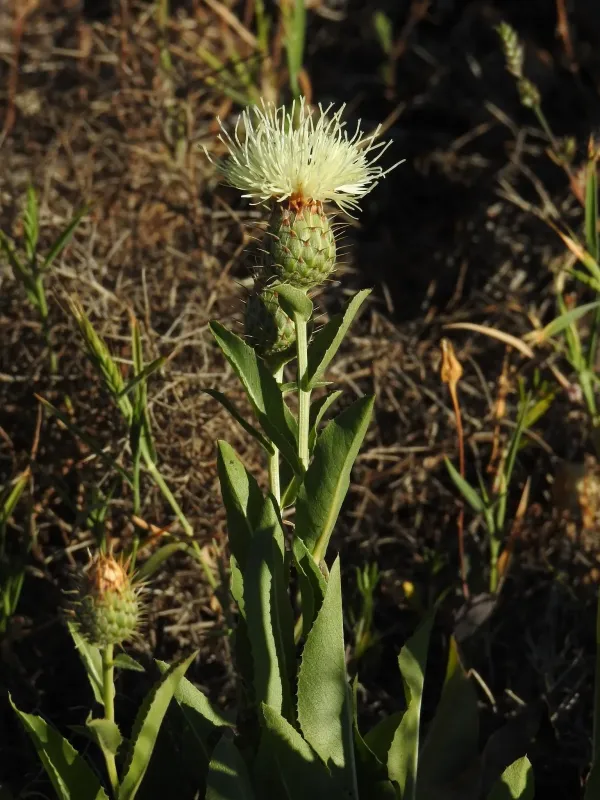
Description
Growing requirements
Klasea flavescens is a perennial herbaceous plant belonging to the Asteraceae family. Known for its distinct yellowish inflorescences, this species was historically associated with the genus Serratula, but modern botanical taxonomy now classifies it under the specific genus Klasea.
Morphologically, the plant develops a robust root system capable of penetrating deep soil layers to extract moisture. The stems are typically erect and rigid, supporting alternating leaves that are adapted to minimize evapotranspiration, reflecting the plant's evolutionary response to arid environments.
In terms of habitat, Klasea flavescens thrives in well-drained, alkaline, or neutral soils. It is particularly well-suited for temperate climatic zones, displaying significant tolerance to heat and seasonal drought, which makes it a resilient candidate for agricultural trials in challenging soils.
Agrotechnical management requires adequate seedbed preparation to ensure uniform emergence. Since the plant is a perennial, establishing a stable population requires minimizing competition from invasive weeds during the first year of growth, after which the plant becomes highly competitive.
The agricultural and economic utility of Klasea flavescens lies in its role as a forage crop and its ecological contribution to soil conservation. Its ability to maintain structural integrity and nutritional value under environmental stress makes it a subject of interest for breeders and sustainable land managers.