
Klasea cardunculus
Klasea cardunculus
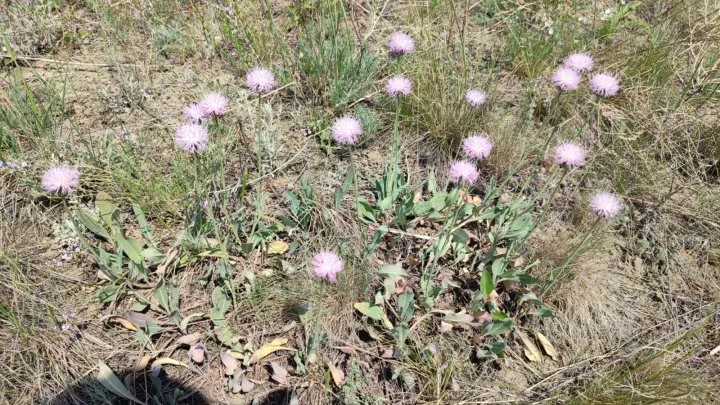
Description
Sowing dates
Klasea cardunculus is a perennial herbaceous plant belonging to the Asteraceae family. Sowing is typically performed in early spring, once soil temperatures stabilize around 8–10 degrees Celsius, or in late autumn, which allows seeds to undergo natural stratification for improved germination.
Seeds are sown at a shallow depth of 2–3 centimeters in well-prepared, moist soil. Post-sowing soil compaction is highly recommended to ensure sufficient seed-to-soil contact, which prevents premature drying of the topsoil layers and supports seedling establishment.
A row-seeding method with spacing of 45–60 centimeters is standard for this crop. This configuration allows for effective mechanical weeding during the first year of growth, which is critical since the plant allocates most of its energy into developing a robust root system during the initial stages.
During the first year, Klasea cardunculus develops a dense basal rosette of leaves and a deep taproot. Because aerial growth remains slow during this phase, managing weed competition is paramount to preventing the suppression of young plants.
Starting from the second year, the plants demonstrate vigorous regrowth as soon as spring temperatures rise. The plant utilizes nutrients stored in its root system to launch rapid vegetative development, making it an excellent candidate for long-term fodder plantations.
Growing requirements
The plant exhibits remarkable ecological plasticity, showing tolerance for a wide range of soil types, including sandy or stony areas. However, it reaches peak productivity when grown on fertile chernozem or loamy soils with a neutral pH level.
Klasea cardunculus is characterized by its high drought resistance. The deep penetrating root system allows it to reach moisture reserves in lower soil horizons, enabling the plant to remain green and productive even during prolonged periods of drought.
Light requirements for this species are significant. It flourishes in open, sunny environments. In shaded conditions, both vegetative biomass accumulation and reproductive development are hindered, potentially reducing the overall quality of the harvest.
The plant is highly frost-hardy and easily survives harsh winters. Since the vegetative buds remain below or close to the ground level, they are effectively protected from freezing temperatures, ensuring consistent regrowth every spring.
While the plant is hardy, it does not tolerate waterlogging. Proper soil drainage is essential for long-term sustainability; areas with a high water table should be avoided to prevent root rot and the subsequent weakening of the plantation.
Yield
Yield levels of Klasea cardunculus depend on the age of the stand and local environmental management. The plant is valued for its reliable production of green biomass, which can be harvested multiple times per season under favorable conditions.
Nutritional value peaks during the budding and early flowering stages. Timely harvesting at these development phases ensures the maximum yield of essential nutrients, providing high-quality fodder for livestock consumption.
The species also possesses significant potential for seed production. With proper insect pollination, plantations yield substantial amounts of viable seeds, facilitating the expansion of farming areas or serving as a source for specialized commercial markets.
Productivity typically increases as the stand matures, reaching optimal harvest levels by the third to fifth year of growth. Long-term management should include periodic rejuvenation of the site to maintain high yields over decades.
Targeted fertilization, particularly with nitrogen, during early spring is highly recommended to boost biomass production. This strategy encourages the development of lush foliage and promotes vigorous stem elongation throughout the active growing season.
Main diseases and pests
Pest management focuses primarily on insects that may target flower heads or foliage. Regular monitoring is essential to detect early infestations, allowing for the application of targeted biological or mechanical control measures before widespread damage occurs.
Fungal diseases, such as powdery mildew and various rusts, may appear in overly humid or poorly ventilated conditions. Maintaining appropriate plant spacing and avoiding dense stands are the most effective preventive measures against these pathogens.
Root rot is primarily a symptom of poor drainage. Selecting sites with adequate aeration and moisture management is the most effective way to protect the integrity of the root system and ensure the longevity of the plant stand.
Weed management is critical in the first year. Because the crop establishes slowly, weed competition can lead to significant thinning of the stand, reducing the potential yield for the lifetime of the field.
Following a sustainable crop rotation plan is vital for soil health. Moving Klasea cardunculus to new plots every few years helps disrupt the life cycles of soil-borne pathogens and insects, ensuring the long-term viability of the farm.
Harvesting
Harvesting for biomass is optimally performed during the peak flowering phase. Standard mowing equipment is effective, with the cut material usually withered in windrows before being baled as hay or processed into silage for storage.
For seed harvesting, timing is essential to minimize losses due to shattering. The harvest occurs when seed heads turn brown and the seeds become firm. Combines should be adjusted for height to ensure efficient collection of the fertile material.
Seed cleaning is a vital post-harvest process to remove impurities and immature chaff. Proper drying to reach a moisture-stable state prevents overheating during storage, which is necessary to maintain high germination rates for future planting.
When harvesting for medicinal or apicultural purposes, flower heads are collected manually or mechanically under dry conditions. Quick drying in shaded, airy rooms is required to preserve the color and the biological integrity of the plant extracts.
Post-harvest residues, when incorporated back into the soil, serve as a valuable source of organic matter. This practice improves soil structure, enhances moisture retention, and contributes to overall farm sustainability.