
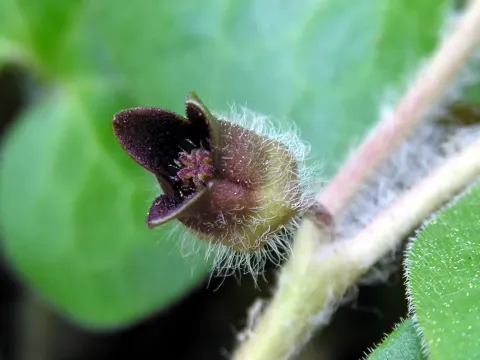
Heterotropa
Heterotropa
Heterotropa is a genus of evergreen perennial plants belonging to the Aristolochiaceae family. These plants are closely related to the genus Asarum and are highly valued for their unique, often variegated, leathery foliage that provides year-round interest in shaded gardens.
What the section contains
Heterotropa
Originating from East Asia, including Japan and China, these plants are naturally found in temperate, humid forest environments. Their biological adaptation to low-light conditions makes them perfect candidates for woodland-themed landscapes.
Success in cultivation depends on providing a location with deep shade or dappled sunlight. Direct exposure to the sun, especially during mid-day, should be avoided as it leads to severe leaf scorch and dehydration of the plant tissue.
The soil should be consistently moist, fertile, and rich in organic matter. A well-draining mixture of leaf mold, peat, and coarse sand or perlite creates the ideal environment for the shallow, spreading root system characteristic of this genus.
In terms of landscaping utility, Heterotropa is primarily used as a groundcover in shaded areas. Its ability to create dense, low-growing mats makes it an excellent choice for stabilizing soil on slopes and filling spaces under ornamental trees or shrubs.
Root rot caused by poor soil drainage and waterlogging is the most significant physiological threat to Heterotropa. When soil becomes saturated for long periods, the roots fail to receive enough oxygen, leading to rapid plant decline.
Slugs and snails are the most prominent insect pests. They are attracted to the succulent-like foliage and can devastate an entire planting in a short period if not managed through manual removal or physical barriers.
Fungal leaf spot diseases may appear if there is poor air circulation around the plants combined with high humidity. It is crucial to maintain proper spacing during planting to ensure the foliage dries quickly after rainfall or irrigation.
Spider mites can become a problem in drier environments, particularly during heat waves. These tiny pests feed on the underside of leaves, causing them to develop a mottled, discolored appearance that ruins the plant's aesthetic appeal.
To prevent these threats, gardeners should prioritize a steady, consistent watering regimen and avoid overhead irrigation that keeps the leaves wet for extended periods. Monitoring the plant health regularly allows for early detection of issues.