
Hybrid wild ginger
Asarum hybrids
Description
Sowing dates
Propagation of hybrid wild ginger is most efficiently achieved through rhizome division, performed ideally in early spring or late autumn when the plant is dormant.
When propagating via seeds, a cold stratification period is essential to break dormancy, making late autumn outdoor sowing the most natural and effective method.
The planting site should be prepared by incorporating plenty of organic matter, such as leaf mold or compost, to create a loose and moisture-retentive substrate.
Spacing between plants should be approximately 20 to 30 centimeters, allowing the rhizomes sufficient room to spread and eventually form a dense, weed-suppressing carpet.
Newly transplanted divisions must be kept consistently moist until they establish a firm root system, especially during the first few weeks after planting.
Growing requirements
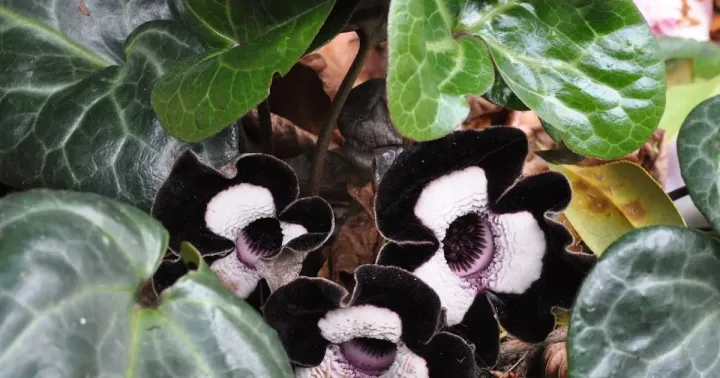
Hybrid wild ginger is a member of the Aristolochiaceae family, prized by gardeners for its glossy, kidney-shaped, evergreen foliage that creates a lush ground cover.
This crop thrives in shaded or semi-shaded environments, avoiding areas with intense direct sunlight, which can lead to leaf scorch and dehydration.
The ideal soil for this species is rich, humus-heavy, and slightly acidic to neutral, mirroring the conditions found on the floors of deciduous forests.
Temperature-wise, these plants are remarkably hardy and well-adapted to temperate climates, showing excellent resistance to winter frosts under a layer of mulch or snow.
Consistent soil moisture is critical; however, the soil must remain well-draining to prevent the rhizomes from rotting in waterlogged conditions.
Main diseases and pests
Hybrid wild ginger is generally a robust plant with minimal susceptibility to serious agricultural diseases, provided that basic cultural requirements are met.
Gastropods, particularly slugs and snails, represent the primary pest threat, as they are attracted to the succulent, shade-loving leaves during damp weather.
To mitigate slug damage, gardeners often use perimeter barriers or organic traps that prevent these pests from reaching the vulnerable leaf tissue.
Fungal issues such as root rot are typically associated with poor drainage or excessive soil compaction rather than inherent plant weakness.
Maintaining proper plant density and ensuring air circulation around the crown of the plant helps to reduce the risk of humidity-related issues in dense plantings.