
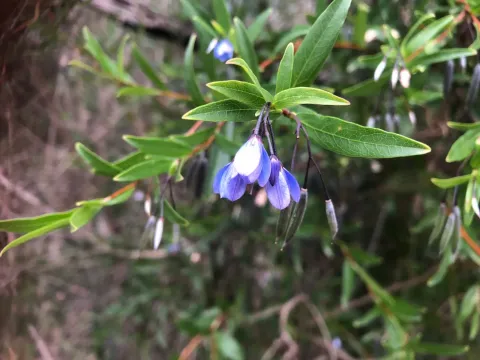
Billardiera fusiformis
Billardiera fusiformis
Sowing Billardiera fusiformis seeds is best performed in late winter or early spring within a controlled environment. The seeds often benefit from scarification or cold stratification to break dormancy and ensure uniform germination.
What the section contains
Billardiera fusiformis
Use a sterile, well-draining potting mix based on sand and peat moss. Seeds should be sown at a depth of roughly 5mm and kept in a warm environment, ideally between 18°C and 22°C.
Maintaining consistent moisture is critical during the germination phase. Covering the seed tray with a clear film can help sustain humidity levels until the seedlings emerge.
Seedlings are delicate and require gradual exposure to light to prevent etiolation. Once they develop several true leaves, they should be carefully transplanted into individual pots to avoid root disturbance.
Patience is required, as germination can be slow and irregular depending on the freshness of the seed and the specific environmental conditions provided.
As a member of the Pittosporaceae family, this species naturally occurs in the coastal regions of Western Australia. It functions as a scrambling climber, requiring sturdy support structures like trellises for optimal growth.
The plant thrives in well-drained, slightly acidic soil. It is intolerant of heavy, clay-based soils that retain water for long periods, as these conditions lead to root hypoxia and fungal decay.
Billardiera fusiformis prefers full sun to light shade. In regions with intense summer heat, protecting the foliage from scorching afternoon sun is advisable to maintain the plant's health.
While the plant is adapted to Mediterranean-style climates, it requires protection from severe frost. In colder regions, it is best cultivated in containers and moved indoors during winter.
Fertilization should be handled with care, focusing on slow-release fertilizers that are low in phosphorus, as many native Australian plants are sensitive to high phosphorus levels.
In its native habitat, Billardiera fusiformis produces edible, spindle-shaped berries. These fruits have a unique sweet-tart flavor profile and are historically significant to indigenous Australians.
The yield of fruit depends heavily on successful pollination during the flowering season. Attracting native pollinators such as bees and specialized birds is beneficial for maximizing fruit set in a garden setting.
While not a major commercial agricultural crop, it is gaining interest in the boutique food industry. The berries are typically harvested by hand when they reach their full, characteristic color.
Post-harvest, the berries have a relatively short shelf life and are best consumed fresh or processed shortly after picking. Proper storage in cool conditions can extend their freshness for a few days.
Future potential for this plant lies in sustainable agroforestry and native culinary projects, where it is valued for its unique taste and low-water requirements compared to exotic fruit species.
Root rot is the most significant threat to the plant, usually caused by overwatering or poor drainage. This condition is difficult to treat once established, making prevention the best strategy.
Pests such as aphids and spider mites frequently target the tender shoots and foliage. Biological control or mild horticultural oils can be used to manage these populations without damaging the plant.
Powdery mildew can occur in areas with poor airflow and high humidity. Providing adequate space between plants and ensuring good ventilation are effective cultural controls for this fungus.
Leaf miners can occasionally tunnel through the foliage, leaving visible tracks. While rarely fatal, they can reduce the photosynthetic efficiency and aesthetic appeal of the climber.
Invasive weed species can outcompete young Billardiera plants. Regular weeding and maintaining a clean growing area are essential for the survival and establishment of the species.