
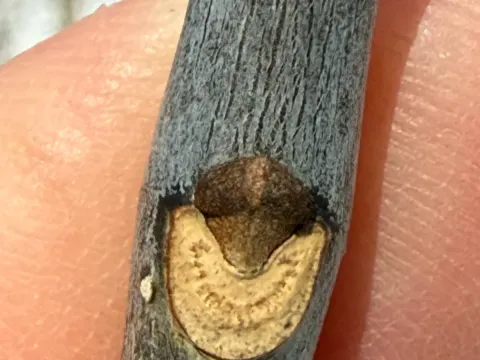
Biltmore ash
Fraxinus biltmoreana
Biltmore ash (Fraxinus biltmoreana) is a deciduous tree belonging to the Oleaceae family. It is a robust species that can reach significant heights, characterized by its distinctive compound leaves and dense, valuable wood that is widely used in the timber industry.
What the section contains
Biltmore ash
The native habitat of this tree is the eastern United States, particularly within the Appalachian range. It typically thrives in cool, moist environments and is commonly found along streams, ravines, and fertile slopes where the soil retains adequate moisture throughout the growing season.
This culture requires deep, well-drained loamy soils for optimal growth. While it tolerates a variety of soil types, it performs best in slightly acidic to neutral substrates that provide sufficient aeration and prevent water stagnation near the root zone.
Regarding climate, the Biltmore ash prefers temperate regions with well-defined seasons. It is moderately frost-hardy, but like many species in this genus, it benefits from protection against severe, drying winter winds and late spring frosts which can damage emerging foliage.
For silvicultural purposes, planting densities should be managed to ensure adequate crown development. Young saplings benefit from partial shade during their first years of establishment, eventually requiring full sun exposure as they mature to ensure vigorous vertical growth.
The emerald ash borer (Agrilus planipennis) is the most critical threat to the Biltmore ash. This invasive beetle lays eggs on the bark, and the larvae burrow into the cambium, essentially girdling the tree and causing rapid mortality in untreated stands.
Ash dieback, caused by the fungus Hymenoscyphus fraxineus, remains a major concern for forestry managers. It manifests as wilting leaves, necrotic lesions on stems, and crown dieback, often leading to the eventual decline of affected specimens over several years.
Various defoliating insects, including sawfly larvae and the ash leaf curl aphid, can cause significant damage during the early growing stages. Integrated pest management strategies, including biological control and targeted chemical intervention, are often necessary.
Powdery mildew may occur on the leaves during periods of high humidity and poor air circulation. While rarely fatal to mature trees, it can significantly hinder the photosynthetic capacity and general vigor of younger, sensitive saplings.
Systematic monitoring for symptoms of infestation or infection is crucial. Forestry practices such as regular pruning, removal of deadwood, and avoiding excessive density help to maintain the health and resilience of the plantation against these common threats.