
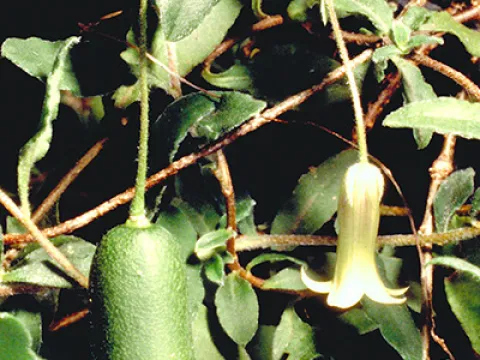
Billardiera
Billardieria
Propagation of Billardiera is primarily achieved through seeds, which should be sown in spring. To ensure optimal germination rates, seeds often require a period of stratification.
What the section contains
Billardiera
Use a light, well-draining potting mix composed of peat and perlite for seed starting. Place seeds at a shallow depth of about 0.5 centimeters and keep the soil consistently moist.
The ideal temperature for germination ranges between 18 and 22 degrees Celsius. Seedlings typically emerge within 3 to 6 weeks, requiring stable conditions and protection from harsh direct sun.
Once seedlings have developed their first true leaves, they can be transplanted into larger pots or prepared garden beds. Ensure the location has vertical support to accommodate their climbing nature.
In cooler climates, it is advisable to keep the plants in containers, which allows them to be moved indoors during periods of frost to ensure plant survival.
Billardiera, a member of the Pittosporaceae family, thrives in sunny to partially shaded environments. It prefers well-aerated, slightly acidic, or neutral soil conditions.
Effective drainage is essential, as the roots are highly susceptible to rot if left in saturated soil. Proper moisture management is a key aspect of successful cultivation.
Regular watering is necessary during the active growing season, but the top layer of soil should be allowed to dry slightly between watering intervals to maintain health.
As a climbing vine, this plant requires sturdy structures such as trellises or wires to develop properly. Providing support prevents entanglement and promotes better air circulation.
The plant performs best in a climate similar to its native Australian habitat. It is sensitive to extreme cold and requires protection in regions where temperatures drop significantly.
The main harvest from Billardiera consists of elongated, pulpy berries. These fruits turn a distinctive, rich color when fully mature, signaling they are ready to be picked.
Productivity typically begins once the vine reaches two to three years of age. Consistent yields depend on adequate sunlight exposure and the presence of pollinators.
The berries are appreciated for their unique sweet flavor profile, often compared to a blend of apple and kiwi. They are excellent for fresh consumption or in culinary desserts.
Pruning is an effective method to manage yield; by encouraging new growth through strategic trimming, gardeners can maintain a robust and fruit-bearing plant.
Harvesting should be done with care to ensure the delicate vines remain undamaged, which supports continued production in the following seasons.
Pests such as mealybugs and spider mites are common concerns for Billardiera, especially when plants are housed in indoor or greenhouse environments.
Preventative measures include regular inspection of leaves and using gentle insecticidal soaps. Maintaining good air circulation is the best way to prevent fungal issues.
Nutrient deficiencies, specifically iron or magnesium, may cause chlorosis. This is typically treated with balanced liquid fertilizers or specialized chelating agents.
Root rot remains the most serious threat caused by improper drainage. Monitoring soil moisture and adjusting watering schedules is critical to plant longevity.
- Mealybugs
- Spider mites
- Root rot
- Leaf chlorosis
Berries are harvested manually as they reach biological maturity, identifiable by their deep, saturated color and slight softening of the fruit skin.
Handle the fruits carefully to prevent bruising, as they have a relatively thin skin and a delicate interior texture that can deteriorate quickly after harvesting.
Freshly picked berries should be stored in a cool, ventilated area and consumed or processed within a few days to maintain the best quality and flavor.
If utilizing the berries for culinary purposes, ensure they are thoroughly cleaned and sorted to remove any organic debris from the vine.
Post-harvest care involves cleaning up any fallen fruit around the base of the plant to prevent the attraction of pests and the development of localized fungal infections.