
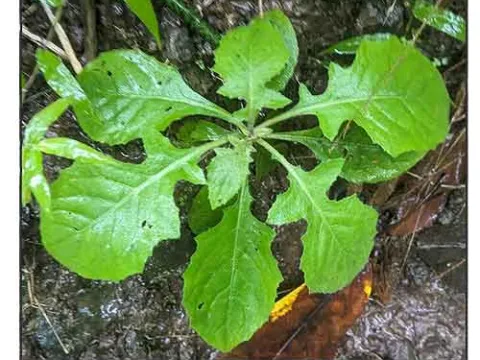
Blumea laciniata
Blumea laciniata
Blumea laciniata is an annual herbaceous plant belonging to the Asteraceae family. In an agricultural setting, it is primarily cultivated in tropical and subtropical regions where the climate supports a rapid growth cycle and high biomass accumulation throughout the season.
What the section contains
Blumea laciniata
The sowing process is initiated during the early spring or the start of the rainy season, ensuring that the soil maintains sufficient moisture for germination. The seeds are small and require shallow placement in the soil, often just covered with a light layer of substrate to ensure adequate exposure to sunlight.
Seed quality plays a critical role in establishing a uniform crop stand, which is essential for uniform growth rates across the field. Proper spacing is implemented to ensure that each plant receives enough sunlight and airflow, reducing the risk of competitive stress during the vegetative phase.
Farmers often start seeds in specialized nursery trays before transplanting them to the main field, allowing for better control over the early development stages. This method ensures that plants are sufficiently strong to withstand environmental stressors once they are moved outdoors.
The selection of planting sites is prioritized based on soil structure, preferring well-drained loamy soils. Preparing the seedbed properly, including the removal of weeds and fine tilling, provides the optimal foundation for the root system to establish itself within the first few weeks of life.
Blumea laciniata thrives in high-light environments, making sunny locations the primary choice for successful cultivation. Shade exposure often results in spindly growth and a lower concentration of the essential oils and secondary metabolites that make the plant commercially valuable.
The ideal soil for this crop is fertile and well-drained, with a slightly acidic to neutral pH level. Proper drainage is essential, as the plant is susceptible to root rot if water is allowed to stagnate around the root zone for prolonged periods.
Water management is crucial during the active growth period, requiring consistent moisture to maintain metabolic rates. While the plant appreciates regular watering, drought tolerance varies, and excessive irrigation during cool weather should be avoided to prevent fungal infections.
Temperature requirements are strictly tied to a tropical or subtropical climate, with optimal performance seen between 22 and 30 degrees Celsius. Sudden cold snaps are detrimental, often leading to immediate growth inhibition or, in severe cases, the death of the crop.
Agronomic practices include the application of organic amendments, which improve soil structure and nutrient availability. Nitrogen-rich fertilizers are recommended during the early growth stages to stimulate the development of foliage, which is the primary harvestable part of the plant.
Yield estimation for Blumea laciniata is based on the dry or fresh biomass collected during the peak vegetative phase. By utilizing intensive farming techniques, producers can achieve high productivity per hectare, especially in regions with favorable climate conditions.
Weed management is a significant contributor to the final yield, as the crop can be easily outcompeted in its early stages. Regular hoeing and the use of mulch can significantly help in minimizing weed pressure and retaining soil moisture for the crop.
The highest yields are typically harvested just before the plant enters full flower, as this is when the content of active compounds is at its maximum. Harvesting at the right physiological stage is essential for meeting the quality standards of the pharmaceutical and cosmetic industries.
Post-harvest handling, including rapid drying and proper cleaning, plays a vital role in preserving the quality of the harvested biomass. Inefficient drying processes can lead to the degradation of essential oils, thereby reducing the commercial value of the crop.
Sustainable cultivation models, which incorporate integrated pest management and organic fertilization, are increasingly common. These practices not only enhance the yield but also improve the environmental footprint of the farming operation.
The primary threats to Blumea laciniata are fungal pathogens, particularly those that thrive in high-humidity environments. Root rot and powdery mildew are frequently reported, requiring careful monitoring to prevent large-scale outbreaks.
Insect pests, such as aphids and spider mites, represent a common challenge by feeding on the sap of the leaves. Early detection through regular field scouting allows for the application of targeted biological control measures, minimizing the need for chemical intervention.
Leaf-eating caterpillars can also cause significant damage by reducing the photosynthetic area of the plant. Maintaining plant health through proper nutrition and adequate spacing often helps the crop withstand light pest pressure without losing significant biomass.
Stagnant air and poor field sanitation can exacerbate disease outbreaks, making ventilation within the plant canopy a key preventive measure. Ensuring correct spacing during the initial planting phase is a fundamental step in building a resilient crop.
Strategic monitoring for early signs of infection is vital for success in commercial farming. Keeping the field clean of debris and controlling potential disease vectors is essential for maintaining the long-term productivity of the land.
Harvesting is scheduled based on the biological maturity of the plant, usually targeting the early blooming stage. Selecting a dry day for harvesting is standard practice to prevent excessive moisture levels in the harvested biomass, which could trigger mold growth during storage.
Mechanical harvesting is generally feasible using adapted sickle mowers, provided that the height is correctly calibrated. Proper cutting techniques ensure that the plants are harvested efficiently while minimizing contamination from soil or debris.
Immediately after cutting, the raw material is transported to a processing facility where it is cleaned and sorted. Removing damaged parts and impurities is a necessary step to ensure the uniformity and high quality of the final processed product.
Drying is a critical stage that requires controlled temperature and airflow. Keeping temperatures within the specified range of 40-50 degrees Celsius ensures that the aromatic compounds remain intact throughout the drying process.
Finally, the dried product is packaged and stored in airtight, cool, and dark conditions to maintain its shelf life. A well-executed harvest and storage plan are the cornerstones of successful Blumea production for the medicinal market.