
Cretan birthwort
Aristolochia cretica
Description
Growing requirements
Cretan birthwort (Aristolochia cretica) is a perennial herbaceous plant belonging to the Aristolochiaceae family. It is endemic to the Eastern Mediterranean, with the island of Crete being its primary natural habitat.
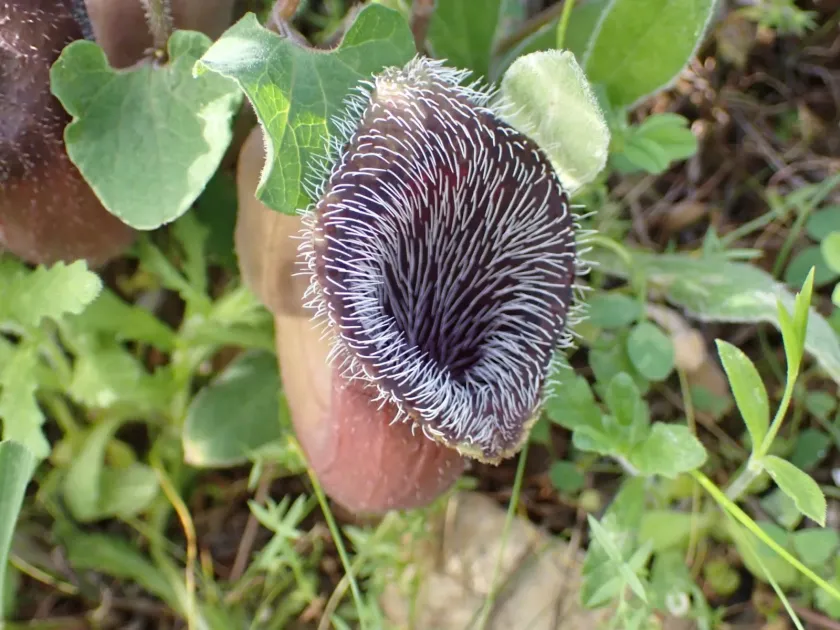
Botanically, it is known for its cordate leaves and highly specialized flowers that exhibit a curved, pipe-like structure designed to attract specific pollinators. The plant thrives in rocky, well-drained limestone soils typical of its native range.
To successfully cultivate this species, it is essential to provide a substrate with excellent drainage. The plant is sensitive to waterlogged conditions, which can lead to rapid root decay, especially during the dormant winter period.
Climatic requirements favor a Mediterranean climate with mild, wet winters and warm, dry summers. In regions with harsh winters, protection or greenhouse cultivation is mandatory to prevent damage to the underground rhizomes.
Maintenance involves minimal intervention. Light fertilization with a balanced mix can support growth, but it is important to avoid excessive nitrogen, which can lead to weak, elongated stems that lack structural integrity.
Main diseases and pests
The main threats to Aristolochia cretica are soil-borne fungal pathogens. Overwatering remains the primary cause of root rot, which is often fatal if not diagnosed and corrected through improved drainage early on.
Pests like spider mites and aphids are known to occasionally infest the foliage, particularly under greenhouse conditions. Regular visual checks and the use of insecticidal soaps are recommended for effective management.
The plant contains aristolochic acid, a compound that serves as a chemical defense mechanism against many generalist herbivores, including some snails and larger insects, which helps maintain the health of the plant.
Sanitation practices are vital to disease management. Removing and destroying any infected plant tissue helps prevent the spread of pathogens throughout the planting site, keeping the remaining specimens healthy.
Nutrient deficiencies or improper soil pH levels can also manifest as leaf chlorosis. Ensuring the soil balance is kept within the neutral to slightly alkaline range is crucial for optimal nutrient uptake and long-term vitality.