
Dutchman's pipe
Aristolochia trilobata
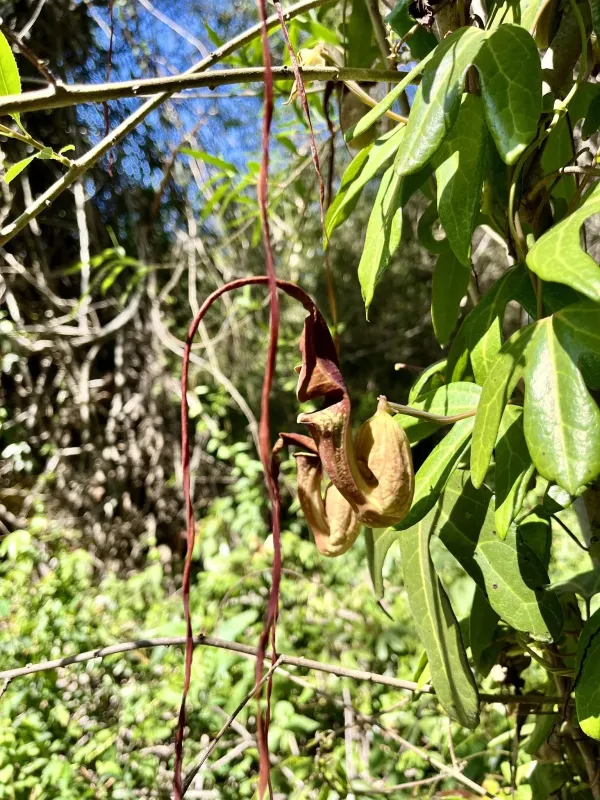
Description
Growing requirements
Aristolochia trilobata, known as the Dutchman's pipe, is a robust woody vine belonging to the Aristolochiaceae family. It is native to the tropical regions of Central and South America, where it thrives in humid environments and dense forest understories.
The cultivation of this plant requires consistent tropical temperatures, ideally between 22 and 28 degrees Celsius. Being a frost-intolerant species, it must be protected from temperatures dropping below 10 degrees Celsius to prevent irreversible damage to its foliage and stems.
Soil requirements include a rich, well-draining medium that retains moisture without becoming waterlogged. A mixture of loam, sand, and organic compost is recommended to ensure the roots receive adequate oxygenation while staying hydrated.
As a climbing plant, Aristolochia trilobata requires sturdy vertical structures for support. In agricultural settings or botanical gardens, providing a trellis or a natural support system like a fence is essential for maximizing growth and leaf development.
Light levels should be carefully managed, as the plant flourishes in bright, filtered light. Too much direct sun can scorch the trilobed leaves, while deep shade will cause the plant to become "leggy" and reduce its overall vitality and flowering potential.
Main diseases and pests
Spider mites are the most common pests affecting this vine, particularly in greenhouse conditions where the air can become too dry. They feed on the sap, causing mottled spots on the leaves and eventually leading to premature senescence if left untreated.
Root rot is a critical threat caused primarily by poor soil drainage. When the soil remains saturated, the roots cannot breathe, facilitating the growth of pathogenic fungi like Phytophthora and Pythium which can quickly destroy the plant.
Mealybugs can also infest the stems, especially in the leaf axils where they are difficult to reach with standard surface sprays. Regular inspection of the plant architecture is necessary to catch infestations early before they spread across the entire vine.
Powdery mildew may appear if there is insufficient air circulation around the foliage. Ensuring that the plant has enough space and is not crowded by other vegetation is a fundamental step in maintaining plant health and preventing disease spread.
Biological controls, such as beneficial predatory mites or neem oil applications, are generally preferred to manage pest populations while preserving the safety of the plant's medicinal properties and the surrounding environment.