
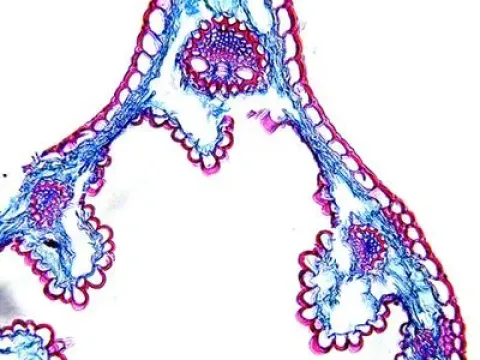
Blackish fescue
Festuca nigricans
Sowing blackish fescue is recommended during early spring periods, when the soil retains sufficient moisture after snowmelt. This is critical for ensuring uniform seed germination and the establishment of the primary root system during moderate temperatures.
What the section contains
Blackish fescue
Dormant (late autumn) seeding is also acceptable in northern regions or on heavy soils, allowing seeds to undergo natural stratification. For dormant seeding, the sowing rate should be increased by 10-15% to compensate for potential winter losses.
The sowing depth ranges from 1 to 2 centimeters, depending on the soil type. On light, sandy substrates, deeper sowing is recommended to prevent the topsoil from drying out too quickly.
To establish a healthy sward, row seeding with 15-20 centimeter spacing is considered optimal. This provides each plant with adequate space for growth and minimizes internal competition within the stand.
During the first weeks of life, the crop develops slowly, making timely weed control essential. In this phase, fescue is particularly sensitive to shading from aggressive, fast-growing weeds.
Blackish fescue belongs to the Poaceae family and is known for its high ecological plasticity, adapting successfully to temperate climates. It prefers well-drained loamy or sandy soils and does not tolerate prolonged waterlogging.
The crop exhibits excellent frost and winter hardiness, making it a promising choice for cultivation in regions with severe winters. It is capable of withstanding significant temperature fluctuations and early autumn frosts.
While the plant has moderate drought resistance, it requires regular moisture during the stem elongation phase to achieve maximum vegetative mass. Under extreme drought, growth of the above-ground part may pause.
Blackish fescue requires sufficient light and does not perform well in heavy shade. Lack of sunlight leads to reduced tillering and lower nutritional value of the green biomass.
The optimal soil pH for this crop is between 5.5 and 7.0. On highly acidic soils, liming is necessary, as it directly influences the bioavailability of essential nutrients for the grass.
The yield of blackish fescue largely depends on mineral nutrition levels and the frequency of mowing. Applying nitrogen fertilizers in early spring leads to a significant increase in green biomass.
Under intensive management, up to three cuts of high-quality hay can be harvested per season. The crop has a strong ability to regrow quickly after each mowing, which is crucial for pasture productivity.
Dry matter yield averages 4-6 tons per hectare under favorable conditions. High protein content makes this hay a valuable feed source for cattle and sheep.
In seed production fields, yields typically range from 300 to 500 kilograms per hectare. To obtain high-quality seeds, it is important to harvest before the crop over-ripens to prevent seed shattering.
Yield productivity may decline over time, so it is recommended to perform periodic overseeding or stand renewal starting in the fifth or sixth year of the crop's life cycle.
The main diseases affecting blackish fescue include various types of rusts and leaf spots. These pathogens thrive in warm, humid conditions, reducing the plant's photosynthetic efficiency.
Among pests, grain flies pose the greatest risk, as their larvae damage the stems of young plants. Affected stems turn yellow and die, leading to thinning of the crop stand.
Seedlings can suffer from flea beetles, which gnaw on young leaf tissue. A massive infestation at the early seedling stage can destroy a significant portion of the crop.
Timely mowing is an effective preventive measure to stop the buildup of infection. Removing plant residues from the field helps reduce populations of both pests and pathogenic microorganisms.
When necessary, registered insecticides and fungicides can be used, though chemical applications must be strictly regulated, particularly on forage lands that are harvested frequently.
The optimal time for hay harvest is the heading stage, when the plant contains the highest concentration of nutrients. This phase provides the best balance between biomass volume and feed quality.
Mowing is performed using mowers equipped with conditioners to accelerate the drying process of the cut grass. Rapid wilting allows for the preservation of more vitamins and proteins in the hay.
To prevent leaf loss during drying, turning the windrows should be done carefully during early morning hours when air humidity is higher, which reduces the risk of shattering the valuable leaves.
For seed harvesting, operations should commence when the panicles turn a characteristic straw color and the seeds have hardened. Using a two-stage harvesting method helps minimize shattering losses.
Finished hay is baled into large or small bales for convenient transport and storage. Storage must occur in dry, well-ventilated areas to prevent self-heating and decomposition processes.