
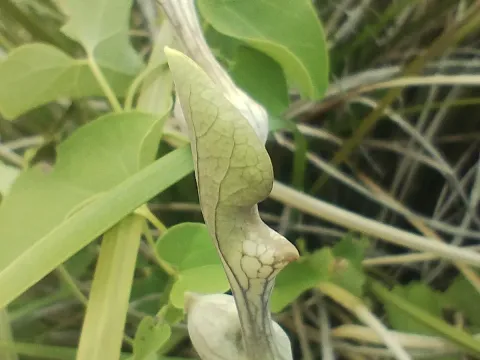
Pararistolochia
Pararistolochia
The propagation of Pararistolochia is primarily achieved through seed sowing in a controlled nursery environment.
What the section contains


Pararistolochia
Seeds must be planted fresh to maintain viability, using a lightweight, peat-based mix to ensure proper drainage.
Consistent bottom heat is required to stimulate germination, typically within a temperature range of 25 to 28 degrees Celsius.
Vegetative propagation via stem cuttings is also a common practice, requiring high humidity levels and rooting hormones.
Seedlings should be repotted carefully to avoid root disturbance, which can significantly stunt early plant development.
Pararistolochia is a genus of woody, twining vines belonging to the Aristolochiaceae family, predominantly found in tropical forests.
These plants thrive in environments with consistent high humidity and warm temperatures, mirroring their natural habitat.
The soil should be rich in organic matter, slightly acidic, and maintained in a moist but well-drained condition at all times.
Providing vertical support systems is essential, as the vines exhibit vigorous climbing behavior throughout their life cycle.
Partial shade is ideal, as direct, intense tropical sunlight can scorch the foliage and decrease the overall health of the plant.
Pests such as mealybugs and spider mites are frequent threats, especially when ambient air moisture levels are allowed to drop.
Fungal pathogens, including root rot and mildew, can occur if the substrate remains waterlogged for extended periods.
Nutritional deficiencies, leading to leaf yellowing, can occur if the soil pH becomes too alkaline for the species to thrive.
Effective management involves consistent sanitation practices and ensuring adequate spacing between plants to allow for airflow.
Integrated pest management strategies are recommended to keep populations of harmful insects below the economic threshold level.