
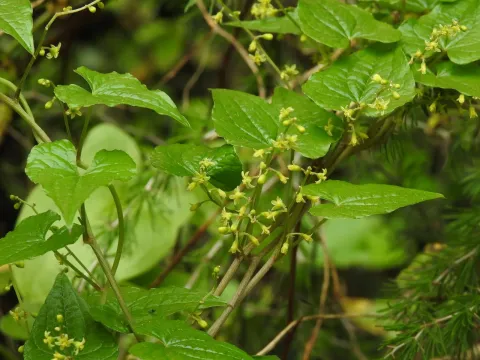
Black bryony
Dioscorea communis
Propagation of Dioscorea communis is typically achieved through seeds or vegetative division of the tubers. For seed propagation, sowing in autumn is recommended as the seeds require a period of cold stratification to break dormancy and ensure germination in the spring.
What the section contains
Black bryony
When grown in nursery beds, seeds should be sown at a depth of approximately 1-2 centimeters in a loose, well-draining substrate. Maintaining a consistent moisture level is crucial during the germination phase to ensure the seedlings emerge healthy and vigorous.
Vegetative division is the preferred method for maintaining the characteristics of specific plants. Tubers are divided during the dormant season, ensuring each section contains at least one viable bud. These pieces are then planted 10-15 centimeters deep.
Spacing is essential for the healthy development of the tubers. A distance of 40-50 centimeters between plants allows for adequate root development and prevents the crowding that can lead to increased competition for soil nutrients.
Successful establishment of the plant depends on protecting it from extreme desiccation during its first year. Regular irrigation during the initial establishment phase promotes deep root growth, which is necessary for the plant's long-term survival in the garden.
Dioscorea communis, commonly known as Black bryony, is a perennial flowering vine belonging to the Dioscoreaceae family. It is native to the Mediterranean region and parts of Europe, typically thriving in hedgerows and forest margins where it can climb using its twining stems.
The plant thrives in fertile, loamy, and well-drained soils. While it can tolerate a variety of soil types, it is highly sensitive to waterlogged conditions, which can lead to tuber rot. A neutral to slightly alkaline pH is optimal for nutrient uptake.
In terms of light, the plant is shade-tolerant and prefers dappled light or semi-shaded areas. Intense, direct sunlight can damage the foliage, so positioning the plant under the canopy of larger shrubs or trees is an ideal strategy for successful cultivation.
Vertical support is an essential requirement for Black bryony. As a climbing vine, it performs best when provided with trellises, fences, or natural supports. This not only encourages optimal photosynthesis but also keeps the foliage dry, reducing the risk of fungal infections.
Soil management includes regular mulching, which helps to maintain soil temperature and moisture levels. Additionally, organic fertilizers applied in early spring provide the nutrients needed to support the rapid development of the vine during the active growing season.
The most common pests affecting Black bryony include slugs and snails, which can cause significant damage to young shoots during the wet spring months. Implementing physical barriers or organic pest control measures is often necessary to protect the plant.
Fungal diseases, particularly root rot, pose the greatest threat to the survival of the plant, especially in areas with poor drainage. Careful selection of the site and monitoring water levels are the best methods to prevent these pathogens from establishing.
Powdery mildew can occasionally affect the leaves if the plant is grown in areas with poor airflow or high humidity. Pruning overgrown foliage and providing better circulation are effective ways to mitigate the spread of this fungal condition.
Aphids may colonize the vine during the warmer months, causing leaf curling and potential stunted growth. Early detection and treatment with insecticidal soap or neem oil are usually sufficient to control aphid populations without harming the surrounding ecosystem.
Winter survival requires protection in colder climates, where deep freezing of the soil can damage the tubers. Applying a generous layer of mulch or protective covers helps to buffer the soil temperature and ensures the plant returns vigorously in the spring.
The primary agricultural interest in Black bryony lies in the harvest of its tubers for potential pharmaceutical use. The harvest typically takes place after the third or fourth year of growth, when the plant has developed a substantial, nutrient-rich root system.
Harvesting is performed in late autumn, once the foliage has withered and nutrients have been translocated back into the tuber. Extreme care must be taken during excavation to avoid mechanical injury, as damaged roots are susceptible to infection and quality loss.
Once harvested, the tubers must be thoroughly cleaned of soil and rinsed in cold water. Protective gloves should be used throughout the process, as the raw plant tissue contains calcium oxalate crystals which can cause severe skin irritation.
Drying is a critical stage in preparing the harvest. The tubers are sliced and dried in a well-ventilated, shaded area or an industrial dryer at temperatures not exceeding 45 degrees Celsius to preserve the integrity of the chemical compounds.
Proper storage is essential to maintain the quality of the processed material. The dried tubers should be stored in opaque, moisture-proof containers in a cool, dark place, where they can remain stable for a considerable duration until they are processed into final products.