
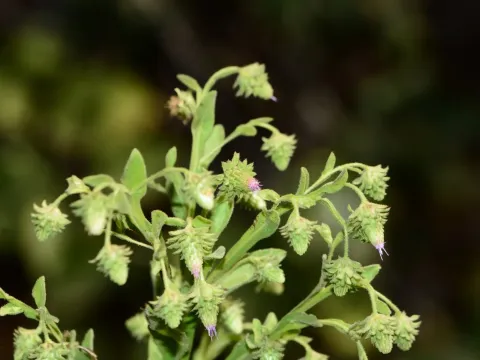
Blumea alata
Blumea alata
Blumea alata is a member of the Asteraceae family, typically known for its robust growth in tropical environments. It is a perennial plant that requires specific nursery management to ensure successful establishment.
What the section contains
Blumea alata
Sowing should be done in early spring using fine-textured, fertile soil. The seeds are small and should be pressed lightly into the substrate without deep burial, ensuring they receive enough light for germination.
Consistent temperatures between 22 and 26 degrees Celsius are essential during the initial germination phase. Use a misting system to maintain high humidity around the seeds.
Once seedlings reach a height of 5–8 centimeters, they are ready for transplanting into individual pots or directly into the prepared field plot if the weather conditions are stable.
Proper spacing is crucial to prevent seedling overcrowding, which can lead to elongated, weak stems that are susceptible to lodging in later stages of development.
Blumea alata thrives in tropical and subtropical regions. It requires an environment with constant high humidity levels and avoids any exposure to frost or prolonged cold.
Soil requirements include well-draining, nutrient-rich loamy soil with a neutral pH level. The plant does not tolerate waterlogging, which necessitates excellent field drainage systems.
Sunlight exposure should be abundant. Although the plant can tolerate partial shade, maximum biomass production is observed in full sun conditions with appropriate irrigation.
Water management is critical. The irrigation schedule should ensure that the soil remains moist but not saturated, as the roots are sensitive to anaerobic conditions.
Nutrient supplementation should focus on balanced NPK fertilizers during the vegetative stage to encourage the development of the lush foliage typical of this species.
The plant is susceptible to common pests including aphids and spider mites, which can cause significant damage to the leaf surfaces if left untreated during dry spells.
Fungal infections such as powdery mildew may occur if the planting density is too high, preventing adequate airflow between the individual plants in the field.
Biological control methods, such as the introduction of beneficial predatory insects, are highly recommended for large-scale production to minimize chemical residues.
Monitoring for root rot is essential in heavy soils. If signs of wilting appear, drainage improvements and fungicide applications may be necessary to save the crop.
Consistent field sanitation, including the removal of weeds and debris, significantly reduces the population of potential disease vectors in the growing area.
The harvesting process of Blumea alata is typically focused on gathering the aerial parts of the plant, which contain the most concentrated beneficial compounds.
Timing the harvest is critical; the plants should be cut just before the full flowering stage to ensure the highest concentration of active ingredients in the leaves.
Manual harvesting is common for smaller plots, using sharp, sterilized tools to prevent damage to the lower stem and ensure potential regrowth of the plant.
After cutting, the biomass must be dried immediately in a shaded, well-ventilated area to preserve the quality of the harvested materials and prevent mold development.
Proper storage post-harvest involves placing the dried plant material in cool, dry conditions away from direct sunlight to maintain long-term stability and quality.