
Dutchman's pipe
Aristolochia macrophylla
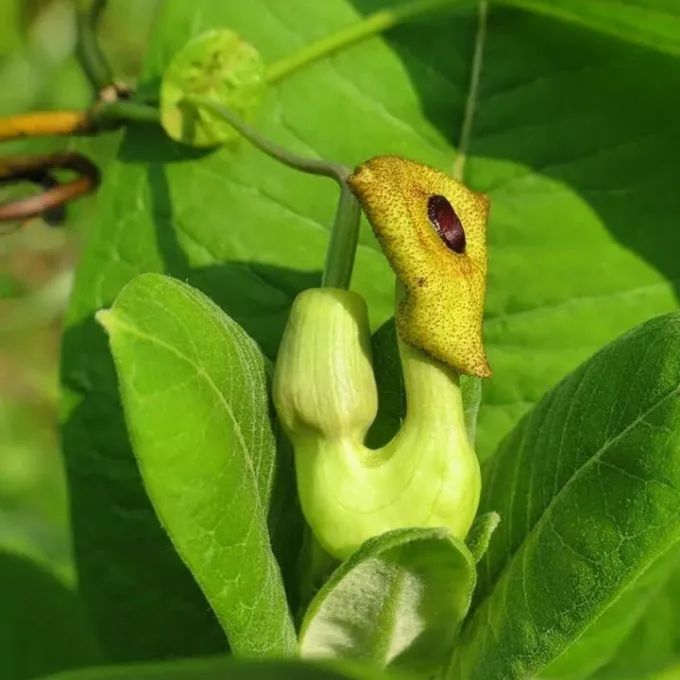
Description
Sowing dates
Planting Aristolochia macrophylla is best performed in the spring or early autumn when the soil is warm enough for root establishment. Propagation can be achieved through seeds, cuttings, or layering, depending on the available resources.
Seeds require a cold stratification period of approximately two to three months to break dormancy. Sowing them in early spring into a well-drained seed starter mix at a depth of 2 cm ensures a better germination rate.
Stem cuttings are taken during the summer months, specifically using semi-hardwood sections. These cuttings should be treated with rooting hormones and kept in a greenhouse environment with high humidity to encourage root development.
When transplanting into the garden, ensure the planting hole is twice the size of the root ball. Add organic compost to the soil to improve fertility and moisture retention, helping the young plant to establish itself quickly.
Providing a sturdy support structure immediately after planting is essential, as the species is a fast-growing climber. Proper spacing of 1 to 2 meters between plants allows for adequate airflow as they mature.
Growing requirements
Aristolochia macrophylla, belonging to the Aristolochiaceae family, is a deciduous woody vine native to the eastern United States. It is widely prized for its large, heart-shaped leaves that form a dense, lush green canopy.
The plant thrives in deep, rich, and moist soils with a slightly acidic to neutral pH. It performs best in partial to full shade, making it an excellent choice for north-facing walls or areas beneath larger trees.
Moisture management is critical for this species. During periods of drought, regular watering is necessary to prevent wilting and to support its vigorous vegetative growth. A layer of organic mulch helps retain soil moisture.
In terms of climate, it is remarkably hardy and can withstand cold winters once established. While it prefers sheltered locations, it is adaptable to various environments across temperate zones.
Pruning is recommended in late winter or early spring to remove dead or tangled stems. This practice not only maintains the shape of the plant but also encourages healthier growth during the coming season.
Main diseases and pests
Aristolochia macrophylla is generally considered a low-maintenance plant with few major pest or disease problems. However, environmental stress can occasionally make the plant more susceptible to opportunistic issues.
Aphids and spider mites are the most common pests, particularly during hot, dry spells. Monitoring the undersides of the foliage is essential for early detection, as these pests can cause leaf curling if left unchecked.
Powdery mildew may occur if the plant is grown in conditions with poor air circulation or excessive moisture. This fungal infection appears as a dusty white residue on the leaves and can affect the plant's overall aesthetic.
To prevent disease outbreaks, avoid overhead watering, which keeps foliage wet for extended periods. Instead, apply water directly to the base of the plant to keep the leaves dry and healthy throughout the growing season.
Regular sanitation, such as removing fallen leaves and pruning away infected branches, remains the best practice for maintaining a healthy vine. When necessary, use horticultural soaps or oils to treat infestations without harming beneficial garden insects.