
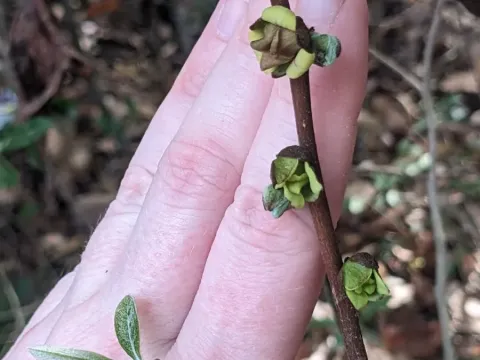
Smallflower pawpaw
Asimina parviflora
Propagation of the smallflower pawpaw is primarily achieved through seeds, as it ensures the plant adapts well to local environmental conditions. Seeds exhibit a deep dormancy and require a long stratification period, typically 90 to 120 days at temperatures between 1°C and 5°C.
What the section contains
Smallflower pawpaw
Sowing should be done in deep containers to accommodate the long taproot that develops early in the plant's life. Peat pots or tall tree tubes are highly recommended to prevent root disturbance during the eventual transplanting into the garden.
The seeds should be planted at a depth of 2–3 centimeters in a well-draining, nutrient-rich soil mix. Consistent moisture is crucial for germination, which can be slow and sporadic, often taking several months to complete.
Ideally, sowing takes place in late autumn for natural outdoor stratification or in early spring using pre-chilled seeds. Sheltering the seedlings from intense, direct sunlight is essential during the first season of growth to prevent tissue damage.
When moving seedlings to their permanent location, extreme caution must be exercised to preserve the root ball intact. The smallflower pawpaw is notoriously sensitive to root pruning, making careful handling the primary rule for successful establishment.
Asimina parviflora belongs to the Annonaceae family and is a deciduous shrub that is significantly smaller and more compact than its better-known cousin, the common pawpaw. It is naturally found in the southeastern United States.
The plant thrives in fertile, well-draining loam or sandy soil with a slightly acidic to neutral pH. It is highly intolerant of waterlogged conditions, making effective soil drainage the most critical requirement for long-term survival.
Climate-wise, it requires a sufficient frost-free period to allow the small fruits to mature properly. While quite hardy once established, young specimens benefit from protection against harsh winds and extreme winter temperatures.
Sunlight requirements vary with age; while mature shrubs can tolerate full sun for maximum production, younger specimens often prefer partial shade, mimicking their natural habitat under the forest canopy.
Regular but moderate watering is necessary, especially during dry spells, to support fruit development. Mulching the base of the shrub is highly recommended to preserve soil moisture and regulate ground temperature for the shallow root system.
The fruit of the smallflower pawpaw is distinctively smaller than that of other Asimina species, typically measuring between 3 and 5 centimeters. While yield per tree is modest, the flavor remains sweet and distinctly tropical.
Fruit set depends heavily on the presence of pollinators. Since the flowers are specialized, manual pollination or attracting native pollinators can significantly improve the volume of the harvest in a garden setting.
Maturity occurs toward the end of the summer season. The harvest period requires careful monitoring, as the fruits ripen quickly and have a tendency to drop prematurely if not picked at the right moment.
Economically, this species is considered a specialty or "niche" fruit. Due to its limited size and perishability, it is not currently grown for large-scale commercial markets but is a prized addition to edible landscapes.
Uses for the harvest are largely limited to fresh consumption or small-scale culinary preparations. The texture is custardy and aromatic, providing a unique experience for those who appreciate rare, locally grown exotic fruits.
The smallflower pawpaw is generally resilient against many common horticultural pests, making it an excellent candidate for low-input or organic gardening practices.
Fungal issues, such as leaf spot, may arise if the shrub is planted in areas with poor airflow or consistently high humidity. Regular pruning to keep the canopy open helps mitigate these risks significantly.
While caterpillars or aphids may occasionally feed on the foliage, they rarely reach levels that require chemical intervention. Monitoring the shrub during the early spring flush of growth is usually sufficient.
Root rot remains the most significant threat, almost exclusively caused by poor soil drainage or excessive irrigation. Once symptoms appear, recovery is unlikely, emphasizing the need for site preparation before planting.
Winter damage from rodents, such as rabbits or voles gnawing on the bark, can be problematic. Installing wire guards around the trunk base is a simple and effective preventative measure for small gardens.
Harvesting requires a delicate touch as the thin skin of the fruit bruises very easily. Fruits should be picked only when they reach peak ripeness, characterized by a softening of the skin and a deep, aromatic scent.
The ripening process is often staggered over several weeks, necessitating multiple visits to the tree. Softening fruits should be picked daily to prevent them from hitting the ground and sustaining damage.
Post-harvest, the fruit must be handled with extreme care. They do not have a long shelf life and should be consumed or processed within 2–3 days of harvesting to retain their best quality.
Transportation of the fruit is difficult due to its soft nature; if moving to another location, use shallow, padded containers to prevent bruising. They are not suited for long-distance logistics.
When preparing the fruit for consumption, seeds should be removed, as they are not edible. The creamy pulp is excellent for smoothies or desserts, provided the preparation happens shortly after picking to avoid oxidation.