
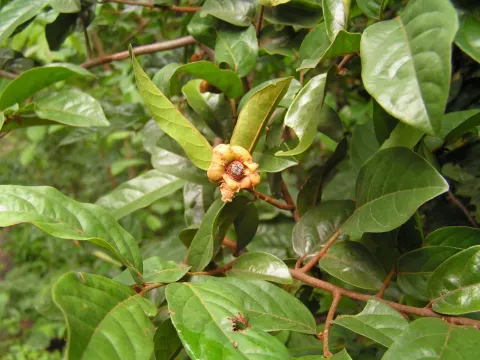
Uvaria angolensis
Uvaria angolensis
Uvaria angolensis is a woody climbing plant belonging to the Annonaceae family, native to the tropical regions of Africa. It is frequently found in forests and savannah zones, where it grows as part of the dense understory vegetation.
What the section contains
Uvaria angolensis
The plant thrives in warm, humid climates with consistent temperatures throughout the year. It demands fertile, well-drained soil types rich in organic matter to maintain optimal development and vegetative vigor.
Botanically, it is characterized by its woody, liana-like structure, simple alternate leaves, and fragrant flowers that play a crucial role in its pollination ecology. The plant is adapted to compete for light within the forest structure.
Cultivation requires careful management of irrigation to mimic the natural rainfall patterns of its origin. Proper soil preparation and the provision of suitable support structures are essential for maximizing the growth potential of the vine.
Economically, Uvaria angolensis is valued for its bioactive compounds found in the bark and leaves. These parts are traditionally harvested for their medicinal properties, often utilized in herbal preparations for their antimicrobial effects.
The main threats to this species involve attacks by tropical herbivorous insects, specifically larvae that feed on tender leaves and shoots, which can significantly damage young specimens.
Pathogenic fungi are another primary concern, especially in environments with poor air circulation or excessive soil moisture, leading to damping-off or stem rot during the early stages of growth.