
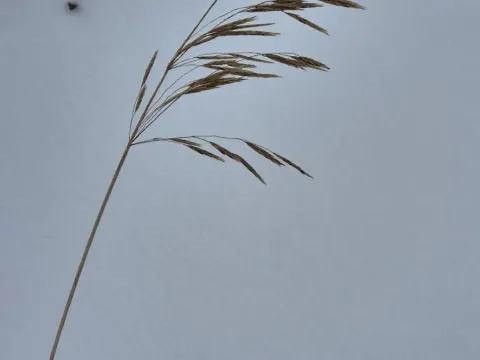
Anisantha
Anisantha
Anisantha typically behaves as a winter or wintering annual grass. The primary germination phase occurs during the autumn months when soil moisture and temperature conditions are favorable for early establishment.
What the section contains
Anisantha
The plant exhibits high adaptability and can successfully overwinter in a rosette stage or during early tillering. This gives the species a significant competitive advantage when spring growth resumes early in the season.
In field conditions, germination is often triggered by autumn rainfall. If conditions remain moderate, the seeds continue to germinate throughout the autumn, leading to uneven development of the weed population.
To mitigate the impact of Anisantha in crop production, farmers are advised to delay sowing of main crops where possible. This allows for the destruction of established seedlings through pre-sowing mechanical cultivation.
The phenological cycle of Anisantha typically concludes with seed maturation in late spring or early summer, which often coincides with the maturation of winter cereal crops.
As a member of the Poaceae family, Anisantha is highly opportunistic and thrives in open, well-lit environments. It is sensitive to intense shading, which limits its ability to compete in dense, healthy crop stands.
The plant demonstrates significant tolerance to various soil types, though it reaches maximum density on well-drained, fertile soils. It is well-suited to nitrogen-rich environments, often appearing where fertilizer application has been intensive.
Anisantha is highly resistant to temperature fluctuations and can withstand the transition between freezing winters and rapid spring warming. This resilience allows it to populate a wide range of geographical regions.
While it has moderate water requirements, the species utilizes its root system efficiently to absorb nutrients and water. This allows it to persist even in conditions where crop growth might be slightly stunted by limited resource availability.
The species is frequently found in disturbed areas, such as field edges, roadsides, and abandoned pastures, serving as a constant seed bank source for adjacent agricultural land.
The primary agricultural threat posed by Anisantha is direct competition with cereal crops for essential resources such as solar radiation, nitrogen, and soil water. This competition results in decreased grain yield and quality.
Anisantha acts as a reservoir for various viral and fungal pathogens. These pathogens can easily transmit to commercial grain crops, increasing the overall phytosanitary burden within the field.
The weed provides a habitat for various agricultural pests, including cereal flies and aphids. These insects migrate from the weed populations into the crop fields, causing significant damage during the early growth stages.
Effective management is often complicated by the morphological similarity between Anisantha and various cultivated cereals. The use of selective herbicides requires precise timing and specific active ingredients to ensure crop safety.
On grazing land, the presence of Anisantha is problematic due to its bristly awns. When ingested by livestock, these awns can cause mechanical injuries to the mouth, tongue, and digestive tract, leading to health complications.