
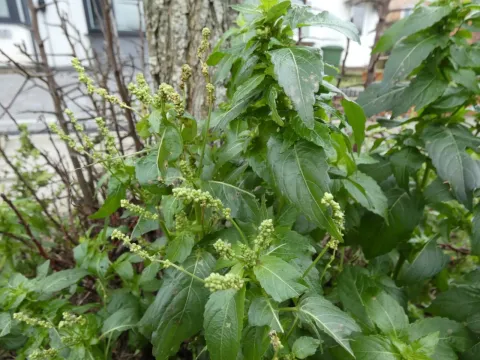
Annual mercury
Mercurialis monoica
The annual mercury (Mercurialis monoica) belongs to the Euphorbiaceae family. It is a distinct botanical species characterized by its monoecious flower structure, which differentiates it from the more common perennial varieties of the genus.
What the section contains
Annual mercury
This plant thrives in environments that provide moderate moisture levels and shaded conditions. Naturally occurring in woodland areas, it prefers rich, fertile soils that are high in organic matter.
Agricultural success depends on maintaining loose, well-drained soil with a neutral to slightly acidic pH. The plant is sensitive to direct, intense sunlight and prolonged drought, requiring a microclimate that mimics forest floor conditions.
Temperature management is crucial for optimal growth. The annual mercury performs best under temperate conditions, as excessive heat stress can inhibit its vegetative development and overall biological performance.
In practice, the plant is primarily studied for its phytochemical properties. If cultivated, it requires careful monitoring to ensure that toxicological standards, typical for the Euphorbiaceae family, are managed effectively.
Fungal diseases, particularly powdery mildew, represent the primary threat to the crop, especially during periods of high humidity and stagnant air.
Pests such as aphids and spider mites are frequent invaders, targeting the tender foliage during the active growth phase of the plant.
Root rot is a critical concern, often triggered by waterlogged soil conditions, emphasizing the need for proper drainage systems.
Weed competition can significantly limit the growth of the annual mercury, necessitating regular mechanical weeding and field maintenance.
Integrated pest management strategies should be employed to minimize the impact of pests while preserving the structural integrity of the crop.