
Anemanthele
Anemanthele
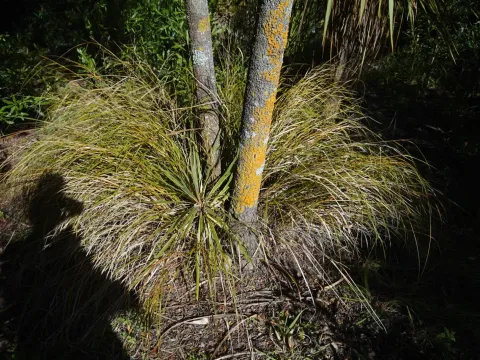
Anemanthele, known scientifically as Anemanthele lessoniana, is a perennial grass belonging to the Poaceae family. Native to New Zealand, it is widely prized by landscape designers for its graceful, arching foliage that turns vibrant shades of copper and gold.
What the section contains
Anemanthele
The plant thrives in full sun to partial shade. While it shows good tolerance for dry conditions once established, it benefits from occasional watering during intense summer heat to maintain its signature coloration and lush appearance.
Well-drained soil is the most critical requirement for Anemanthele. It is intolerant of waterlogged soil, which can rapidly damage its fibrous root system. It prefers fertile, loamy, or sandy-loam soils with a neutral pH level.
This species is moderately hardy, typically surviving temperatures down to -10°C. In colder climates, gardeners often treat it as a container plant, moving it to a sheltered environment during the winter months to protect it from frost damage.
Anemanthele is highly versatile in garden design, serving as an excellent choice for borders, rock gardens, or as a focal point in prairie-style plantings. Its subtle movement in the wind adds a dynamic element to any garden space.
Anemanthele is generally resistant to many pests, but it can occasionally be susceptible to aphids and spider mites, especially in environments with low humidity or poor airflow. Early detection is key to managing these pests effectively.
Fungal issues, such as root rot, are the most frequent health threats for this grass. These are almost always caused by improper drainage or excessive watering, which creates an anaerobic environment unfavorable for the plant's health.
Proper spacing between plants is essential to ensure adequate air circulation, which helps dry the foliage and prevent the onset of powdery mildew. Avoid overcrowding when planting in borders to maintain plant vigor.
Maintenance pruning is a vital cultural practice for preventing disease. Removing spent foliage and dead stems in late winter or early spring allows new growth to emerge cleanly and prevents potential pathogens from overwintering.
If disease symptoms such as leaf spotting or wilting appear, identify the pathogen and apply appropriate fungicides. Always ensure that the soil surface is allowed to dry out between watering sessions to minimize the risk of recurrence.