
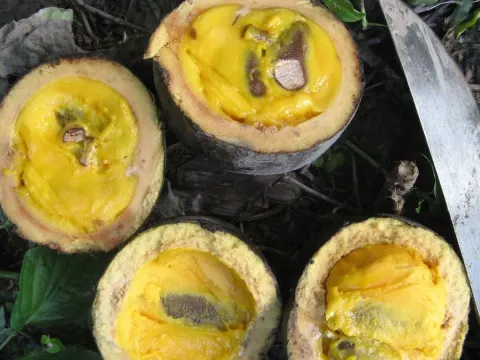
Porcelia
Porcelia
Propagation of Porcelia is primarily achieved through seeds, as the plant possesses a sensitive taproot system that makes transplantation difficult. Seeds should be sown as soon as they are extracted from the fruit to maintain their viability.
What the section contains

Porcelia
The seeds require a stratification period of approximately 90 to 120 days under cool, moist conditions to overcome dormancy. This process is essential for successful germination in temperate climates.
When sowing, use a well-drained, nutrient-rich potting medium to ensure healthy root development. Keeping the substrate consistently moist but not waterlogged is critical to prevent seed rot during the germination phase.
Seedlings are best kept in a greenhouse or protected environment for the first two years of growth. This stage allows the young plants to develop a strong root system before they are exposed to the harsh conditions of an open field.
Transplanting to a permanent location should be conducted with minimal disturbance to the root ball. Using biodegradable pots for the initial growth stage can significantly improve the survival rate after planting.
Porcelia thrives in deep, fertile soils rich in organic matter. A well-drained environment is necessary to prevent root diseases, which are common in heavy or waterlogged clay soils.
The ideal soil pH is slightly acidic to neutral. High levels of alkalinity can cause nutrient deficiencies, particularly iron chlorosis, which stunts the growth of the tree and reduces leaf vitality.
This crop prefers semi-shaded areas, especially during its juvenile phase. In its natural habitat, it often grows in the understory of forests, so protecting it from direct, intense midday sunlight is recommended.
Providing protection from strong winds is crucial, as the large leaves and brittle branches of the plant are susceptible to mechanical damage. Windbreaks or shelterbelts are essential for orchard establishment.
While the plant is somewhat resilient, it requires a steady supply of moisture throughout the growing season. Irrigation should be adjusted based on local rainfall patterns to prevent drought stress.
The yield of Porcelia trees depends heavily on the tree's age and the efficiency of pollination. Typically, trees begin to produce fruit between five to eight years after planting, depending on the cultivar.
Pollination can be a limiting factor, as many species benefit from cross-pollination. Ensuring a diverse range of genetic material within the orchard significantly boosts the total fruit set per tree.
Average annual yields vary, but a healthy mature tree can produce a substantial harvest of high-quality exotic fruits. Proper nutrient management with a focus on potassium and phosphorus supports fruit development.
Regular pruning is an essential agricultural practice to improve light penetration and air circulation throughout the crown. This practice not only increases yield but also facilitates easier harvesting during the season.
The fruits have a short shelf life, which impacts the economic utility of the crop. Efficient logistics and proximity to retail markets are key factors for profitable orchard management.
Root rot is the most significant threat to Porcelia, often caused by poorly drained soils or excessive irrigation. Implementing a robust drainage system is the primary preventative measure.
Common pests such as aphids and spider mites can attack the foliage, especially during hot, dry weather. Regular monitoring and the application of integrated pest management strategies are advised.
Birds represent a major threat during the ripening phase, as they are attracted to the aromatic fruit. Protective netting is often necessary to prevent significant harvest losses in commercial orchards.
Fungal pathogens can also affect the stems and leaves under high humidity conditions. Maintaining good orchard hygiene and ensuring proper spacing between trees helps reduce the incidence of disease.
Late spring frosts can destroy emerging flower buds, leading to a total crop failure for the season. Careful site selection, avoiding low-lying frost pockets, is crucial for mitigating this risk.
Harvesting Porcelia requires extreme care due to the soft texture of the fruit. Picking should be done manually as soon as the fruit exhibits signs of softening and releases a distinct, pleasant aroma.
Fruits ripen unevenly across the tree, requiring multiple harvest passes throughout the season. This labor-intensive process is necessary to ensure each fruit is collected at its peak maturity.
Once harvested, the fruit should be handled gently and placed into shallow crates with padding. Avoid stacking fruits too high to prevent bruising and skin damage, which leads to rapid spoilage.
Storage should be conducted in cool temperatures to extend the freshness of the product. The fruit remains viable for only a short period, so immediate processing or distribution is required.
Sorting by size and maturity level at the time of harvest allows for better market segmentation. Premium-quality fruits should be prioritized for fresh markets, while softer ones may be used for processing.