
Anomatheca
Anomatheca
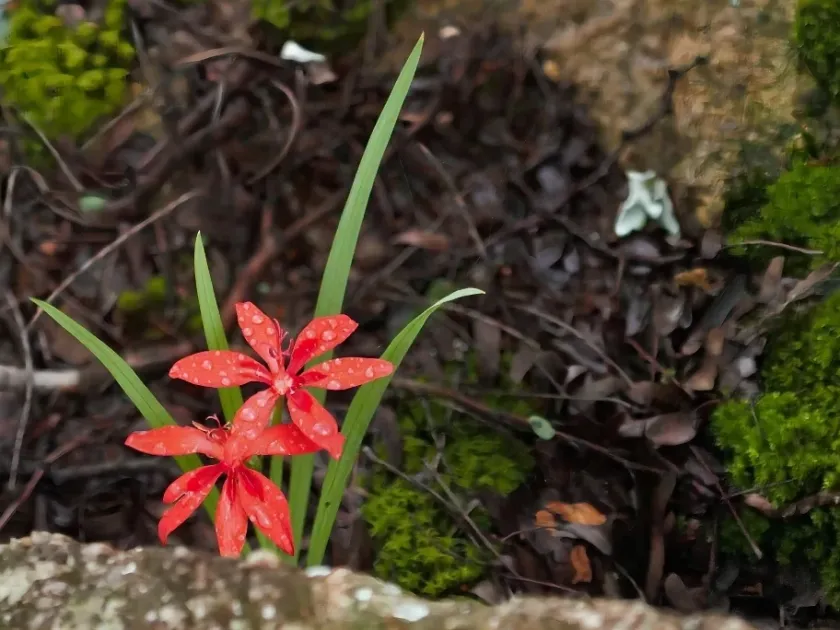
Description
Sowing dates
Sowing Anomatheca seeds is best done in early spring, typically between March and April, using nursery trays to ensure optimal conditions for germination.
Maintain a stable temperature of +18 to +20 degrees Celsius to facilitate uniform sprouting and strong seedling development before transplanting.
When moving to open ground, wait until all risks of frost have passed, which is usually during late May in most temperate climate regions.
Plant the corms at a spacing of 10–15 centimeters to allow for proper airflow and space, which helps in preventing overcrowding and disease spread.
The planting depth should be approximately 3 to 5 centimeters, depending on the drainage capacity and texture of the garden soil used.
Growing requirements
Anomatheca, a member of the Iridaceae family native to Southern Africa, thrives best in locations with full sun exposure throughout the day.
The soil must be fertile, light, and well-drained, as these plants are highly sensitive to waterlogged conditions that can damage their root systems.
Provide moderate watering during the growing season, ensuring the soil remains moist but never waterlogged to prevent rot and fungal growth.
Since the plant is not cold-hardy, the corms must be lifted from the ground in autumn and stored in a cool, dry environment throughout winter.
Protecting the plants from strong gusts of wind is essential, as their delicate stems, which grow up to 30 cm, are susceptible to bending and breaking.
Main diseases and pests
Fungal diseases are the primary threat to Anomatheca, usually caused by excessive soil moisture and insufficient ventilation around the plants.
Root rot is the most serious concern, often stemming from poor drainage or overwatering, leading to the rapid decay of the underground corms.
Thrips are a common pest that feeds on the foliage, causing significant cosmetic damage and potentially weakening the overall vitality of the plant.
Spider mites may also appear in dry, hot conditions, necessitating proactive monitoring and the application of suitable acaricides when needed.
- Check foliage regularly for discoloration and pests.
- Ensure proper spacing to maintain airflow.
- Use systemic fungicides at the first sign of distress.
Harvesting
Harvest the corms in late autumn, once the foliage has turned yellow and died back naturally, indicating the plant has entered dormancy.
After carefully lifting them from the soil, clean off any debris, allow them to air-dry in a shaded area, and discard any damaged bulbs.
Store the cleaned corms in paper bags or trays filled with dry peat, keeping them in a dark, cool place at temperatures between +5 and +10 degrees Celsius.
For container-grown plants, simply move the pots to a frost-free shelter and reduce watering until the next growing season resumes in spring.
Proper harvest and storage practices are critical to ensuring the longevity of your Anomatheca collection and future blooming success.