
Polyalthia
Polyalthia
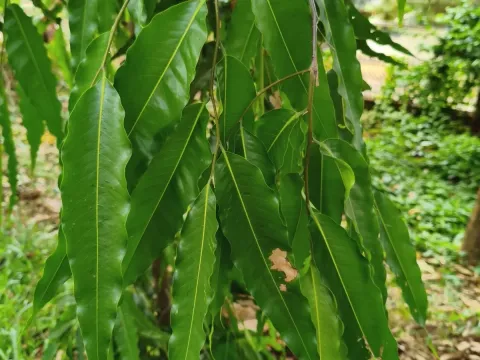
Polyalthia is a genus belonging to the Annonaceae family, comprising evergreen trees and shrubs native to the tropical regions of Asia and the Malay Archipelago.
What the section contains
 Polyalthia cauliflora
Polyalthia cauliflora
Polyalthia cauliflora
 Polyalthia cinnamomea
Polyalthia coffeoides
Polyalthia coffeoides
Polyalthia malabarica
Polyalthia malabarica
Polyalthia obliqua
Polyalthia obliqua
Polyalthia cinnamomea
Polyalthia cinnamomea
Polyalthia coffeoides
Polyalthia coffeoides
Polyalthia malabarica
Polyalthia malabarica
Polyalthia obliqua
Polyalthia obliqua
 Polyalthia persicifolia
Polyalthia rufescens
Polyalthia rufescens
Polyalthia persicifolia
Polyalthia persicifolia
Polyalthia rufescens
Polyalthia rufescens
 Polyalthia stenopetala
Polyalthia subcordata
Polyalthia subcordata
Polyalthia stenopetala
Polyalthia stenopetala
Polyalthia subcordata
Polyalthia subcordata
 Polyalthia suberosa
Polyalthia suberosa
Polyalthia suberosa
Polyalthia
This crop thrives in warm, humid tropical climates and requires protection from frost and cold winds, which can cause significant damage to the foliage.
Soil requirements involve deep, fertile, and well-draining substrate, preferably with a slightly acidic to neutral pH level to ensure optimal nutrient uptake.
Adequate spacing between plants is essential to promote healthy air circulation, which is critical for reducing humidity-related issues in the canopy.
Agricultural management includes consistent irrigation schedules and regular application of balanced fertilizers to support the rapid growth of these woody plants.
Typical pests affecting Polyalthia include aphids, scale insects, and mealybugs, which tend to congregate on the undersides of leaves and along stems.
Fungal diseases, such as leaf spot and root rot, are common threats, especially when plants are grown in areas with poor drainage or excessive stagnant water.
Effective management requires prompt removal of infested branches and the application of appropriate systemic fungicides or horticultural oils to mitigate outbreaks.
Vigilance during the rainy season is necessary, as high moisture levels provide favorable conditions for the rapid spread of powdery mildew and other pathogens.
Maintaining a healthy environment through pruning and proper spacing helps minimize the risk of pest infestation and ensures the plant remains vigorous.