
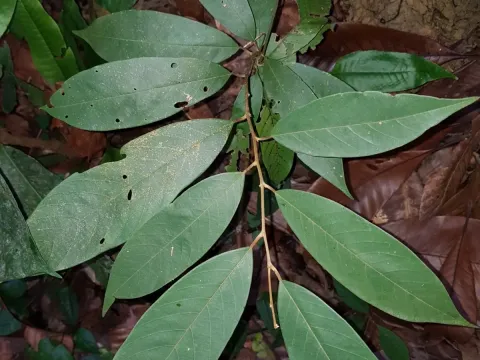
Pyramidanthe
Pyramidanthe
The sowing of Pyramidanthe is best performed in the spring, once soil temperatures consistently stay above 12–15 degrees Celsius. For optimal results, a greenhouse-based seedling production method is recommended, starting the seeds 40–50 days before the anticipated outdoor transplanting date.
What the section contains
Pyramidanthe
When seeding directly into open ground, the seeds should be placed at a depth of no more than 1–2 centimeters. Maintaining consistent soil moisture during the germination period is critical to ensuring a uniform plant stand and robust initial growth.
Plant spacing should be adjusted to 30–40 centimeters between individual plants to promote adequate airflow and light penetration. Overcrowding can lead to increased humidity levels within the canopy, which encourages the development of various fungal pathogens.
Using high-quality seeds treated with growth stimulants can significantly enhance germination rates and overall seedling vigor. This approach is particularly effective when working with soil types that may have lower nutrient content or suboptimal structure.
After transplanting, it is important to protect the young plants from sudden temperature drops. Hardening off the seedlings for at least a week before moving them to the field will help them establish successfully and resume rapid development in their permanent location.
Pyramidanthe, a member of the Asteraceae (sunflower) family, thrives in well-drained, sandy loam soils. It is particularly sensitive to waterlogging, so selecting fields with natural drainage or creating raised beds is essential to prevent root rot and physiological stress.
This crop requires full sun exposure to reach its maximum biological potential and aesthetic appeal. In conditions of limited light, the plants tend to become spindly, and the quality of their development suffers, making them less suitable for commercial or ornamental use.
The climate requirements for Pyramidanthe include moderate temperatures and protection from extreme weather events. While it can withstand short periods of dryness, steady water availability during the peak growth phase is necessary for consistent performance.
Soil preparation should involve incorporating well-decomposed organic matter to improve aeration and nutrient availability. Maintaining a soil pH between 6.0 and 7.0 is ideal for optimizing the uptake of essential macro- and micronutrients by the plant's root system.
Inter-row cultivation is vital for weed control and maintaining soil structure. Regular shallow hoeing prevents crust formation and allows for better oxygen exchange, which stimulates microbial activity in the root zone and enhances overall crop health.
Powdery mildew is a significant threat to Pyramidanthe, especially during seasons characterized by high atmospheric humidity. Effective control measures focus on maintaining proper plant spacing and applying preventative fungicide treatments if weather conditions favor disease spread.
Aphids are the most common insect pests, often colonizing the tender growing tips. Integrated pest management strategies, such as using natural predators or targeted organic insecticides, are recommended to maintain aphid populations below the economic threshold.
Root rots caused by soil-borne pathogens are a major risk in compacted or waterlogged fields. Adhering to strict crop rotation practices is the primary defense, ensuring that Pyramidanthe is not planted in the same soil more frequently than every three years.
Leaf-eating larvae can cause damage to the foliage, which reduces the plant's photosynthetic capacity. Regular scouting for early signs of infestation is crucial, allowing for timely intervention with biological or chemical control agents before extensive damage occurs.
Fostering plant resilience through proper nutrition, particularly with sufficient potassium and trace elements, helps Pyramidanthe withstand environmental and pest pressures. Healthy plants are inherently more robust and less susceptible to the devastating impacts of common diseases.