
Stelechocarpus
Stelechocarpus
Stelechocarpus is a genus of tropical trees belonging to the Annonaceae family. These evergreen species are noted for their architectural canopy and their specific ecological requirements, typically found in the dense, warm rainforests of Southeast Asia.
What the section contains

Stelechocarpus
The most prominent member of this genus is Stelechocarpus burahol, often referred to as the Kepel tree. Originating from Indonesia, this species thrives in humid, equatorial conditions where seasonal temperature fluctuations are minimal.
Cultivation requires a deep, fertile, and well-draining soil profile. The plant is extremely sensitive to waterlogging, necessitating excellent soil management practices to prevent root rot in high-rainfall tropical regions.
Temperature management is critical; the species does not tolerate cold drafts or frost, requiring consistent temperatures throughout the year to maintain vegetative vigor. Providing a wind-sheltered location is essential for young plants to ensure structural integrity.
The agronomic approach includes regular organic mulching and consistent soil moisture maintenance. Due to its slow growth rate, the plant is rarely grown in intensive monocultures but is highly valued in permaculture and agroforestry systems.
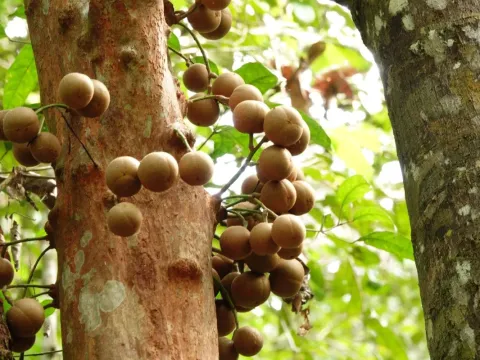
The primary agricultural output of Stelechocarpus consists of its aromatic fruits, which are highly prized for their unique sensory profile. Harvesting is typically conducted once the fruit reaches physiological maturity, indicated by a deep brown skin coloration.
Care must be taken during the harvest process to avoid bruising the delicate fruit skin. Given their high moisture content, the fruits have a very short shelf life and are usually consumed within a few days of harvesting to maintain optimal flavor.
Beyond its culinary appeal, the fruit of the Kepel tree is traditionally associated with unique medicinal properties, particularly in Javanese culture. Some communities believe that consuming the fruit provides a natural, pleasant scent to the body and breath.
The wood of the tree is characterized by its density and is used for small-scale construction or carpentry in the areas where it is cultivated. This dual-purpose utility adds economic value to the tree beyond its fruit production.
Current research continues to explore the potential for better post-harvest handling to extend the shelf life of the fruit. However, until such technologies are implemented, Stelechocarpus remains a niche crop primarily for local consumption and botanical preservation.