
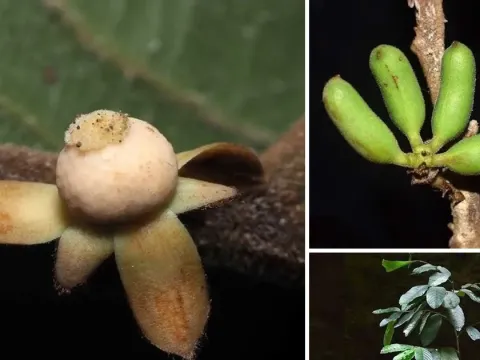
Trivalvaria
Trivalvaria
Trivalvaria is a tropical genus that requires specific conditions for successful germination and early growth. Seeds should be sown in a sterile, well-draining substrate immediately after harvest, as they tend to lose viability quickly if stored improperly.
What the section contains

Trivalvaria
Maintaining a constant temperature between +25 °C and +28 °C is critical during the initial stage of development. High humidity levels within a greenhouse or propagator are essential to mimic the plant's natural rainforest habitat during the seedling phase.
Transplanting seedlings must be done with extreme care due to the sensitive nature of the root system. Once the plant reaches a height of approximately 30-40 cm, it can be transferred to a larger permanent container or a prepared field site with partial shade.
Spacing between plants should be sufficient to allow for mature crown development. A distance of at least 3 to 4 meters is recommended to prevent competition for nutrients and to ensure that each plant receives adequate ventilation.
The use of liquid starter fertilizers during the first few weeks after transplanting can help the plant establish itself. However, care should be taken to avoid over-fertilizing, which can cause chemical burns to the young, delicate root system.
As a member of the Annonaceae family, Trivalvaria thrives in warm, humid tropical environments. The species is typically found in understory settings, meaning it prefers filtered sunlight over direct exposure, which can scorch the foliage of younger specimens.
Soil quality is paramount; the plant requires a rich, loamy, and well-draining soil mix with an acidic to slightly acidic pH, typically ranging between 5.5 and 6.5. Good drainage is vital, as the plant is highly susceptible to root rot if water stagnation occurs.
Consistent high humidity is necessary throughout the growing season. In drier climates, growers should employ misting systems or mulch the soil around the base of the plant to help retain ground moisture and reduce evaporation rates.
The plant is sensitive to temperature extremes and sudden cold drafts. A stable climate without significant fluctuations is ideal for maintaining continuous vegetative growth and avoiding stress that could inhibit fruit formation.
Pruning is an essential cultural practice to maintain the plant's structural integrity. By removing crossing or inward-growing branches, growers can improve airflow through the canopy, which is crucial for preventing humidity-related diseases.
The yield potential of Trivalvaria is largely dependent on the age and health of the tree. The species typically takes several years to reach maturity and start producing fruit, requiring patience from the grower.
Pollination can be a challenging aspect of cultivation, as the flowers are often adapted to specific insect pollinators. In a controlled greenhouse or orchard environment, hand-pollination may be necessary to ensure a high fruit set percentage.
To maximize production, balanced nutrition is required. While organic compost is the preferred choice, supplementary feeding with micronutrients can help prevent physiological disorders that lead to fruit drop before maturity.
The harvest cycle can vary based on local climatic conditions. High-quality yield is associated with trees that have been regularly pruned to encourage lateral growth, as the most productive fruits are often found on horizontal branches.
Monitoring the tree's health throughout the development phase is key. Trees that are stressed due to nutrient deficiencies or poor irrigation will have significantly lower yields and smaller fruit size compared to well-maintained specimens.
Anthracnose is one of the most common fungal threats to Trivalvaria, especially during periods of high rainfall or excessive humidity. It manifests as dark spots on leaves and fruit, potentially causing significant economic losses if not treated.
Pests such as scale insects and spider mites are frequent invaders. These sap-sucking insects can severely weaken the plant and serve as vectors for secondary viral infections, necessitating vigilant monitoring and preventative treatment.
Root nematodes represent a hidden, persistent threat. Using pathogen-free soil or incorporating bio-fumigants can help mitigate the risk of nematode infestation, which often results in stunted growth and yellowing leaves.
Proper environmental management is the best defense against threats. Ensuring that the canopy is not too dense through selective pruning helps maintain good air circulation, which naturally suppresses many fungal pathogens.
- Maintain good hygiene by removing fallen leaves and debris.
- Use certified healthy plant material for new plantings.
- Apply biological control agents where possible to manage pest populations.
Harvesting Trivalvaria is a delicate process due to the tender skin of the fruits. They must be handled with extreme care to avoid bruising, which would rapidly degrade the fruit's quality and shelf life.
The optimal harvest time is determined by subtle changes in fruit color and the development of a characteristic fragrance. Fruits are usually hand-harvested, with clippers used to cleanly detach them from the branch to avoid damaging the tree.
Post-harvest management involves rapid cooling to stabilize the fruit's metabolism. This step is critical for tropical species that tend to ripen or degrade quickly at ambient temperatures following removal from the tree.
Sorting should occur immediately after harvest to remove any specimens that have developed cracks or signs of rot. Proper categorization allows for better market presentation and ensures that only the best fruit reaches the consumer.
Packaging should be designed to offer both protection and adequate ventilation. During transport, minimizing the impact of physical shock is essential, as the fruit's texture is susceptible to damage during the transit phase.