
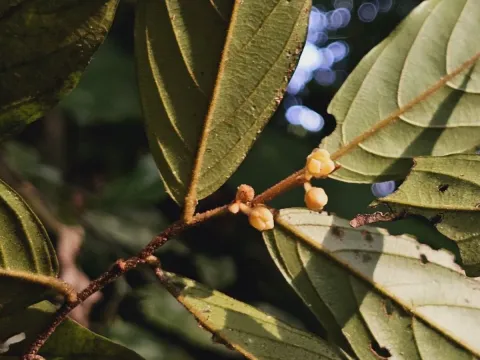
Popowia
Popowia
The genus Popowia belongs to the Annonaceae family, representing a group of trees and shrubs native to the tropical regions of Africa, Asia, and Australia.
What the section contains

Popowia
These plants thrive in tropical climates characterized by high average temperatures and consistent humidity throughout the year, which are essential for their metabolic processes.
Soil requirements for Popowia include well-draining, nutrient-dense organic substrates, as the plants are highly intolerant of waterlogged soil conditions in their native habitat.
In terms of light exposure, the species generally prefers a shaded or semi-shaded environment, mirroring the conditions found beneath the dense canopy of tropical rainforests.
Botanically, they are identified by their distinct leathery leaves and specialized flowers, which have evolved to be pollinated by specific local insect populations within their natural ecosystems.
The primary threats to Popowia involve fungal infections triggered by excessive moisture and poor air circulation, which often lead to root rot and stem decay.
Insect pests such as spider mites and scale insects are common in their native range, often causing significant damage to foliage and stunting the growth of young shrubs.
Leaf spot diseases, caused by various pathogens, can compromise the plant's photosynthetic capacity, leading to premature leaf drop and overall plant decline if left untreated.
Preventive measures typically involve maintaining adequate spacing between plants to ensure airflow, which significantly reduces the risk of fungal proliferation in humid environments.
Managing the health of these tropical plants requires a balanced approach, utilizing integrated pest management strategies to avoid the use of harsh chemicals that could damage the sensitive surrounding flora.