
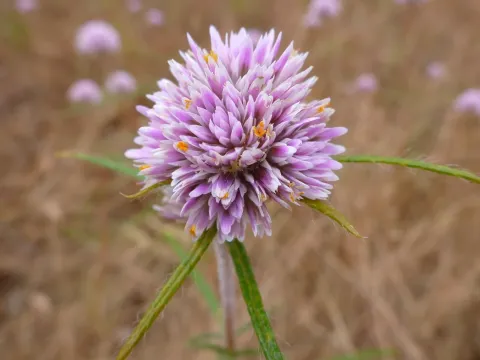
Gomphrena canescens
Gomphrena canescens
Gomphrena canescens is a heat-loving crop, therefore sowing seeds directly into the open ground is performed only after the soil has warmed up and frost risks are over.
What the section contains
Gomphrena canescens
The optimal time for sowing is considered to be late May or early June, when soil temperatures remain steadily above 15 degrees Celsius.
To accelerate flowering in cooler regions, it is common practice to use the transplanting method, sowing seeds into containers in March or April.
Using the seedling method, sprouts appear within 10–14 days, and picking is carried out at the stage of two true leaves to develop a strong root system.
The transplantation of prepared seedlings to their permanent location is conducted in June, following a planting scheme with intervals of 25–30 centimeters.
The plant belongs to the Amaranthaceae family and demonstrates high adaptability to intense sunlight conditions throughout the growing season.
The crop prefers light, well-drained sandy or loamy soils with a neutral or slightly acidic pH level for optimal development.
Gomphrena canescens is highly sensitive to excessive moisture, making it critical to prevent water stagnation in the root zone.
For full development, the plant requires open areas protected from strong winds where it can receive maximum natural sunlight.
During the vegetation period, fertilization is conducted moderately using complex mineral fertilizers, avoiding excess nitrogen that stimulates green growth over flowering.
The primary threat to this crop includes fungal diseases that develop when humidity regimes are disrupted and air circulation is poor.
Root rots are the most common issue, occurring due to overwatering, which leads to the rapid wilting of the entire plant.
Among pests, aphids and spider mites can parasitize the plants, usually attacking them during prolonged hot and dry weather conditions.
Powdery mildew may also affect foliage during sharp temperature fluctuations, so preventive treatment with biofungicides is a justified measure.
Regular weeding and maintaining planting distance allow for a significant reduction in infection risks and ensure healthy plant growth.
Commercial use of Gomphrena canescens is focused on obtaining high-quality raw materials for floristry and creating dried floral arrangements.
Inflorescences are harvested at the stage of full opening when they achieve maximum decorative appeal and color saturation of the bracts.
For drying, stems are cut in dry weather during the morning hours after dew has evaporated, which prevents mold development during preparation.
Cut stems are tied into small bunches and hung upside down in a dry, ventilated room protected from direct sunlight.
Properly dried inflorescences retain their shape and vivid bract color for a long period, making them a valuable commercial product.