
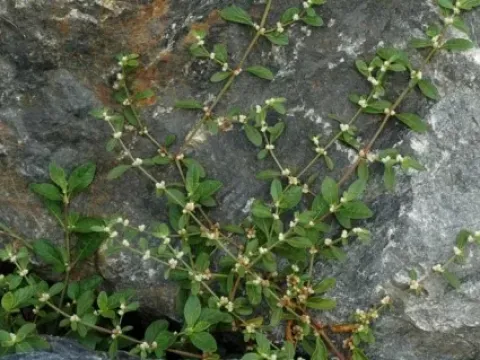
Alternanthera tenella
Alternanthera tenella
Seeds of Alternanthera tenella are sown in a light, nutrient-rich substrate in late winter or early spring to ensure robust early growth. The germination process requires a temperature range between 22 and 26 degrees Celsius.
What the section contains
Alternanthera tenella
The seeds should be sown thinly on the surface of the soil and covered with a very fine layer of sand or vermiculite. Maintaining consistent humidity is critical, and the use of a plastic cover often helps to stabilize the microclimate until germination.
Vegetative propagation via cuttings is the most efficient method for commercial production. Cuttings of approximately 5–8 centimeters in length are taken from healthy mother plants and rooted in moist sand or specialized horticultural plugs.
Once established, plants can be transplanted into larger pots or outdoor beds, provided there is no risk of frost. Proper spacing between plants is essential to prevent overcrowding, which can hinder the growth of lower branches.
Pinching the growing tips is a standard agricultural practice for this crop. It encourages lateral branching, leading to a bushier growth habit and a greater overall yield of foliage per unit area.
As a member of the Amaranthaceae family, Alternanthera tenella thrives in warm, tropical, or subtropical environments. It requires a growing temperature of 20 to 28 degrees Celsius for optimal physiological development.
Full sun or partial shade is required for this plant to exhibit its best foliage characteristics. High light intensity ensures that the leaf pigments remain vibrant and the internodes remain short and sturdy.
The soil should be well-draining, slightly acidic, and rich in organic matter. A soil mix containing peat, perlite, and a small amount of compost typically provides the best results for both greenhouse and nursery cultivation.
Watering must be frequent but carefully controlled to avoid waterlogging. The substrate should remain consistently moist, but the roots must have access to oxygen to avoid the development of fungal infections.
Regular fertilization with a balanced liquid fertilizer during the growing season is necessary to maintain high production levels. Iron and magnesium supplements are often used to prevent interveinal chlorosis in the leaves.
Fungal pathogens such as Pythium and Rhizoctonia pose significant risks, especially if the soil stays too wet for extended periods. Sanitation and proper irrigation management are the primary defenses against these soil-borne diseases.
Spider mites are common pests that thrive in dry, warm environments typical of greenhouses. These pests can cause severe damage by piercing the leaves and extracting sap, leading to mottling and eventual leaf drop.
Aphids can also colonize the tender tips of the plants, causing distorted growth. Infestations should be managed immediately using organic or chemical insecticidal soaps to prevent the rapid buildup of populations.
Powdery mildew is a frequent issue in humid, stagnant air conditions. Improving ventilation and spacing between containers will significantly reduce the likelihood of a major outbreak of this fungal problem.
Whiteflies are known to affect this crop in controlled environments, requiring integrated pest management strategies. Rotating different classes of insecticides helps prevent the development of resistance in pest populations.