
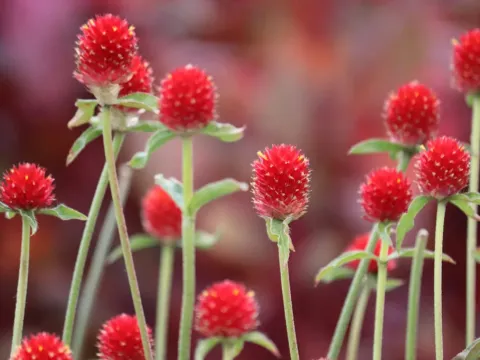
Gomphrena hybrids
Gomphrena hybrids
Gomphrena hybrids belong to heat-loving crops, so the optimal cultivation method is transplanting. Seeds are sown in March or early April into a light, nutrient-rich substrate.
What the section contains
Gomphrena hybrids
Gomphrena seeds have a dense shell, so pre-soaking in growth stimulants or warm water for several hours is recommended to improve germination rates.
Seedlings appear at temperatures of 20–25 degrees Celsius; it is crucial to ensure proper lighting during this phase to prevent the young plants from becoming leggy.
Transplanting (pricking out) should be performed at the stage of two true leaves into individual pots or cell trays to encourage the development of a robust root system.
Seedlings are transplanted into open ground only after stable warm weather is established and the threat of late frosts has passed, as cold temperatures are detrimental to the plant.
The culture belongs to the Amaranthaceae family and is a result of breeding various species of gomphrena, which gives it high ornamental value and resistance to adverse conditions.
The plant prefers well-lit, sunny areas that are sheltered from strong winds, which can damage fragile stems during the active flowering period.
Gomphrena is relatively undemanding regarding soil, but it shows the best growth performance in light, well-drained, and moderately fertile loams with a neutral pH level.
Agronomy includes regular but moderate watering, as the culture tolerates short-term drought better than waterlogging at the roots, which can trigger rot diseases.
To support intensive flowering throughout the season, regular fertilizing with complex mineral fertilizers is recommended, avoiding excessive nitrogen that promotes vegetative growth at the expense of inflorescences.
The main economic use of Gomphrena hybrids is the production of high-quality dried flowers that retain their shape and color long after drying.
Inflorescences are harvested when they are fully open but have not yet lost their color intensity, usually from mid-summer to early autumn.
Stems are cut with the inflorescences and dried by hanging them in a dark, dry, and well-ventilated area to preserve the richness of the shades.
Properly dried gomphrena is widely used in floristry, for creating interior compositions, and in the production of gift packaging and crafts.
Seed material is collected from the central inflorescences that mature first, waiting for the scales on the flowers to darken and dry out completely.
The culture has a strong natural immunity, but if agronomic practices are violated, especially with excessive watering, fungal diseases such as powdery mildew may occur.
To prevent diseases, it is recommended to maintain sufficient spacing between plants during planting, which ensures effective air circulation in the flower bed.
Among pests, aphids are most commonly found on gomphrena, which can colonize young shoots and inflorescences, extracting sap and stunting plant growth.
If pests are detected, treatment with specialized insecticides authorized for use on ornamental crops should be carried out according to the manufacturer's instructions.
An important element of plant protection is timely weeding and soil aeration, which prevent the creation of a favorable environment for the spread of pathogens and insect pests.