
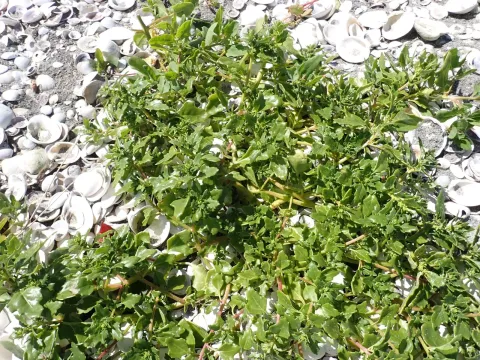
Goosefoot
Oxybasis
The optimal sowing time for Oxybasis species begins in early spring as soon as soil temperatures reach 5–8 degrees Celsius for germination.
What the section contains


Goosefoot
Seeds are small and require a fine-tilled seedbed to ensure consistent soil-to-seed contact and effective moisture absorption during the early stage.
Row planting with a spacing of 30–45 centimeters is recommended to facilitate weed control and ensure proper aeration for the developing plants.
Sowing depth should be carefully controlled at 1–2 centimeters, as deeper planting may significantly delay or prevent the emergence of healthy seedlings.
High seedling vigor allows the crop to establish quickly, reducing the pressure from competing weeds during the sensitive early growth period.
Oxybasis belongs to the Amaranthaceae family and is known for its remarkable environmental adaptability across various temperate climatic zones.
Full sunlight is a critical requirement for this crop, as shaded conditions promote excessive stem elongation and reduce overall leaf development.
While the plant thrives in fertile loamy soils with a neutral pH, it demonstrates high resilience and can produce acceptable yields in diverse soil types.
Effective water management is essential, though the plant shows significant tolerance to short-term drought once the root system is well established.
Proper soil management, including periodic cultivation to prevent crusting, is vital to ensure maximum nutrient uptake and vigorous growth.
The agricultural potential of Oxybasis includes both high-quality green leaf production and the harvesting of nutrient-dense, protein-rich seeds.
Yield capacity is optimized through proper plant spacing and early-season management, ensuring that plants reach their maximum biomass potential.
In leafy crop systems, frequent light harvesting of tender shoots can significantly increase the total seasonal yield of the plantation.
Grain yields for pseudocereal varieties are competitive when the crop is managed under favorable nutrient and moisture conditions.
Producers often value this crop for its ability to produce consistent biomass even under conditions that might limit the success of more sensitive species.
Common pests affecting Oxybasis include leaf-feeding beetles and aphids, which can compromise both the aesthetics and the health of the plants.
Fungal diseases like powdery mildew may appear if planting density is too high, leading to poor air circulation and microclimates favorable to spores.
Integrated pest management strategies are recommended, focusing on early detection and the use of environmentally safe biological interventions.
Preventative measures, such as long-term crop rotation, are essential for breaking the life cycles of common soil-borne pathogens and pests.
- Crop rotation with non-Amaranthaceae species.
- Maintenance of appropriate plant spacing.
- Removal of plant debris after the final harvest.
- Monitoring for early signs of infestation.
Leaf harvesting is performed manually or mechanically by cutting tender stems, which encourages the plant to produce a secondary flush of growth.
Grain harvesting must occur when seeds are fully mature and reach a hardened state to ensure viability and long-term shelf stability of the product.
Mechanical harvesting equipment should be calibrated specifically for small seeds to minimize losses during the threshing and cleaning processes.
Post-harvest processing involves immediate drying to a moisture content of 12–14 percent to prevent microbial growth and seed spoilage.
Proper storage in cool, dry, and rodent-proof facilities is necessary to maintain the nutritional and germination quality of the harvested seeds.