
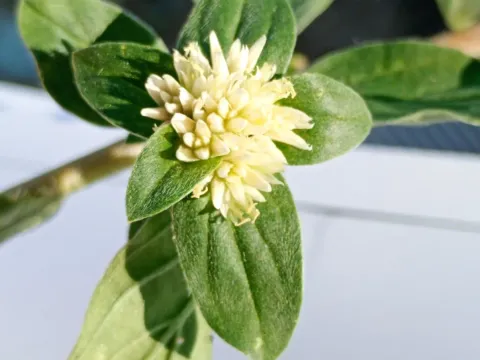
Gomphrena
Gomphrena L.
Gomphrena is a heat-loving crop, so in temperate climates, it is grown primarily through seedlings. Seeds should be sown in late March or early April in a light, nutrient-rich substrate.
What the section contains


Gomphrena
The seeds have a hard outer shell, so pre-soaking in growth stimulants is recommended to improve germination rates. It is essential to maintain a stable temperature between 20 and 22 degrees Celsius.
Seedlings should be pricked out into individual pots after the first true leaves appear to allow for the development of a robust root system before transplanting outdoors.
Transplanting into the permanent garden site should be done only after the threat of night frost has completely passed, typically in late May or early June.
While direct seeding is possible, the seedling method is far more effective for ensuring uniform growth and avoiding competition with early-season weeds.
Gomphrena belongs to the Amaranthaceae family and is an annual herbaceous plant with sturdy stems. It requires an open, sunny location protected from strong winds to thrive.
The crop prefers light, well-drained soil with a neutral pH. Excessive soil moisture is detrimental, as it often leads to root rot, which is a major physiological threat to the plant.
While the plant is highly drought-tolerant once established, it requires regular and moderate irrigation during the peak growing phase to ensure optimal biomass production.
The optimal temperature range for active vegetation is 20–25 degrees Celsius. Significant deviations from this range can slow down development and negatively impact flower quality.
Cultivation practices must include regular soil loosening around the plants to facilitate root oxygenation and weed management, which is crucial for maintaining plant vigor.
The primary threats to Gomphrena are fungal diseases caused by high humidity or poor drainage. Root rot is a common issue that occurs when soil moisture levels are not managed correctly.
In densely planted areas, plants may develop powdery mildew, appearing as a white film on the foliage. Proper spacing and good air circulation are the best preventative measures against this condition.
Aphids are the most common insect pests, feeding on sap from young shoots and developing flower buds, which can lead to stunted growth and loss of aesthetic appeal.
In hot and dry conditions, spider mites may appear. If an infestation occurs, it should be treated with systemic acaricides to prevent further damage to the crop.
Effective pest and disease management relies on maintaining a clean growing area, avoiding over-fertilization with nitrogen, and promptly removing any infected plant material.
Gomphrena is widely cultivated for the production of high-quality dried flowers. Harvesting should take place when the flower heads are fully open but before they start to lose their vibrant color.
Stems should be cut in dry weather, preferably in the morning after any morning dew has evaporated, to ensure they dry quickly without fungal development.
Drying is achieved by hanging the stems in a dark, well-ventilated area. Direct sunlight must be avoided to prevent the pigment from fading during the curing process.
Due to their stiff, papery texture, Gomphrena flower heads retain their shape and color remarkably well after drying, making them highly desirable for florists.
The final product is a durable material perfect for winter bouquets, wreaths, and various decorative compositions, providing long-lasting aesthetic value.