
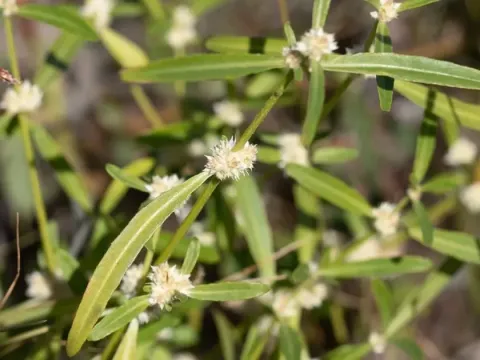
Alternanthera polygonoides
Alternanthera polygonoides
Alternanthera polygonoides is a herbaceous perennial belonging to the Amaranthaceae family. It originates from tropical regions, primarily in the Americas, where it thrives in warm and humid environments.
What the section contains
Alternanthera polygonoides
This crop requires significant solar exposure to maintain its vibrant foliage color. In temperate climates, it is typically grown as an annual bedding plant because it cannot survive freezing temperatures during the winter.
The plant performs best in well-drained, nutrient-rich soil. While it appreciates constant moisture, it is highly susceptible to root damage if the soil becomes waterlogged for extended periods.
Temperature management is critical for success. The plant prefers consistent temperatures between 20°C and 28°C. During the peak of summer, it may require frequent watering to prevent leaf wilting and growth suppression.
The practical application of this species is extensive in landscape architecture. It is frequently used for border design, ground cover in floral carpets, and sometimes in container gardening for decorative purposes in residential or public gardens.
Common pests affecting this crop include aphids and spider mites, which can cause significant damage to the foliage if left unchecked during the growing season.
Fungal issues, such as powdery mildew, often arise in stagnant, humid air conditions. Proper spacing is essential to ensure adequate airflow around the plant canopy.
Root rot is the most common physiological disorder caused by overwatering. Ensuring an effective drainage system is vital for the long-term health of the plant.
Management of these threats involves a combination of cultural practices, such as removing debris and infected leaves, and selective use of biological pest control agents.
Vigilance during periods of transition in weather helps prevent outbreaks of pests, as environmental stress often weakens the plant's natural resistance.