
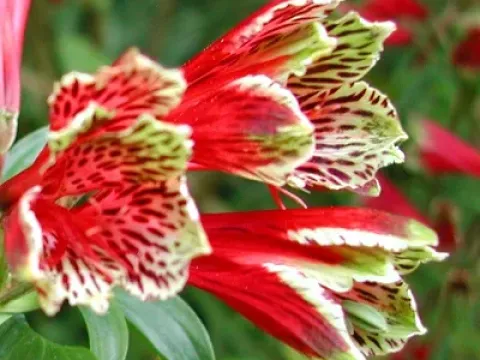
Alstroemeria pulchella
Alstroemeria pulchella
Alstroemeria pulchella belongs to the Alstroemeriaceae family and is a significant commercial flower crop. In agricultural practice, propagation is predominantly vegetative, using rhizome division to ensure the consistency of commercial varieties.
What the section contains
Alstroemeria pulchella
Planting in greenhouse conditions is typically scheduled for early spring, ensuring soil temperatures reach at least 15 degrees Celsius to facilitate successful establishment of the root system.
For seed propagation, seeds undergo stratification to improve germination rates, being sown in high-quality substrate during the late winter months in controlled environments.
The planting density is managed based on the specific variety and greenhouse layout, with standard density ranging from 3 to 5 plants per square meter to ensure proper airflow.
Correct placement of the rhizome, at a depth of 10–15 centimeters, is essential to provide the necessary stability and room for the growth of new shoots during the active season.
This crop thrives in light, well-drained, and nutrient-rich soils with a pH ranging from 5.5 to 6.5. Maintaining proper drainage is critical to prevent waterlogging and subsequent root decay.
Light levels are vital for production; Alstroemeria requires 12–14 hours of bright, diffused light daily. Excessive direct sunlight should be avoided to prevent foliar damage and plant heat stress.
Temperatures should be kept between 16 and 22 degrees Celsius. High temperatures above 25 degrees can lead to stunted growth and reduced stem length, which lowers the commercial value of the flowers.
Irrigation practices must prioritize consistency, utilizing drip systems to minimize foliage wetness. This approach helps reduce the incidence of fungal pathogens that thrive in humid environments.
Regular fertilization with a balanced NPK ratio, particularly favoring potassium during the flowering phase, is required to maintain plant vigor and the intensity of floral colors.
The primary pests affecting Alstroemeria pulchella include spider mites, aphids, and thrips. Integrated pest management strategies are necessary to control these populations without harming the crop quality.
Fungal diseases, specifically Botrytis and Fusarium, represent significant threats to the plants. These often occur when environmental humidity is not correctly managed within the greenhouse.
Root rot is a critical concern that can be mitigated by ensuring proper soil structure and applying preventative fungicide treatments during the early stages of growth.
Sanitation is a cornerstone of disease control, requiring the removal of infected plant debris and the disinfection of harvesting equipment to prevent the spread of pathogens.
Regular monitoring and the use of certified, disease-free planting material are essential steps for any professional grower to achieve a healthy and productive harvest.