
Gomphrena diffusa
Gomphrena diffusa
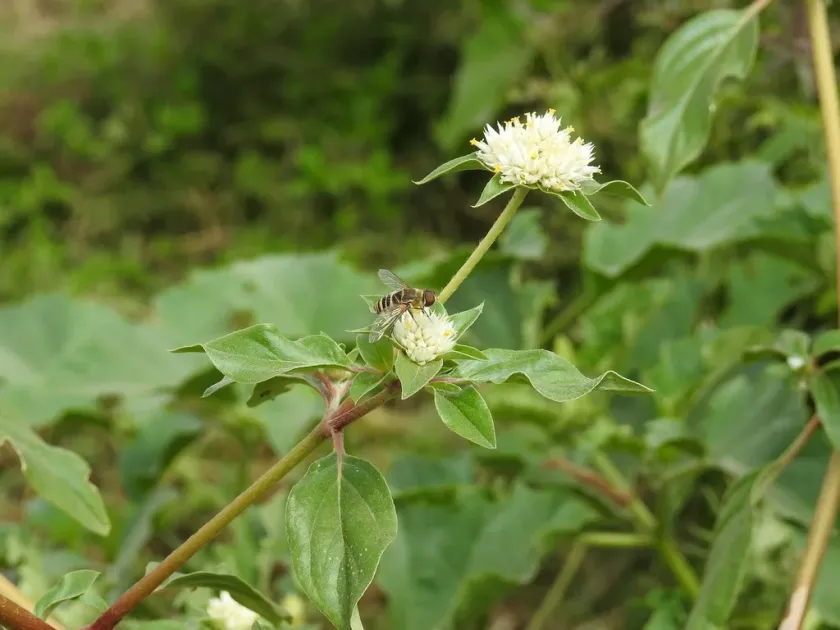
Description
Sowing dates
Gomphrena diffusa is a thermophilic crop that requires a long frost-free season, making indoor seed starting in late March or early April essential.
Seeds of this species have a hard seed coat and often benefit from light scarification or soaking in warm water prior to sowing to improve germination rates.
Transplanting into the garden should only occur once soil temperatures have consistently risen and the risk of late spring frosts has completely passed.
When sowing directly into the field, growers should ensure that the ambient temperature remains above 18 degrees Celsius throughout the day and night.
Proper plant spacing, typically around 30 centimeters apart, is vital to prevent overcrowding and ensure each plant receives adequate light and airflow.
Growing requirements
As a member of the Amaranthaceae family originating from tropical America, this plant thrives in environments characterized by high light intensity.
The crop demands well-drained, fertile soil with a neutral pH, as poor drainage is the primary cause of failure for this species in cultivation.
Gomphrena diffusa is remarkably drought-tolerant once established but requires consistent moisture during the early seedling stage for optimal development.
Temperature management is critical, as any prolonged exposure to temperatures below 10 degrees Celsius can cause significant physiological stress.
Routine cultivation, such as light hoeing to remove weeds and maintain soil structure, is recommended to encourage robust root system expansion.
Main diseases and pests
Root rot is the most frequent pathological issue encountered when cultivating Gomphrena diffusa in heavy or waterlogged soil conditions.
Insects like aphids can colonize the soft, succulent tips of the stems, especially in hot and dry weather conditions, requiring timely monitoring.
Fungal spot diseases may occur if plants are situated in areas with high humidity and poor circulation, necessitating the use of targeted fungicides.
Spider mites represent a secondary threat during peak summer, particularly if plants are not adequately watered or have become overly stressed.
Integrated pest management strategies, including the removal of infected foliage and the application of botanical sprays, are highly effective.