
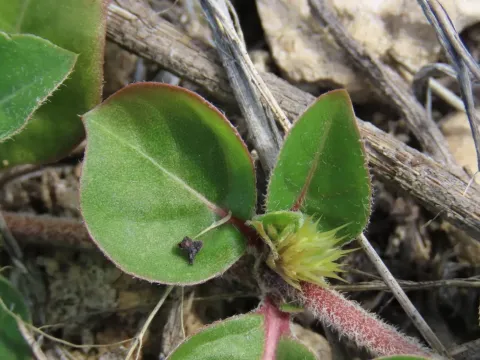
Alternanthera achyrantha
Alternanthera achyrantha
Alternanthera achyrantha is a perennial herbaceous plant belonging to the Amaranthaceae family. It is recognized for its significant biomass production and versatility in varied tropical and subtropical environments.
What the section contains
Alternanthera achyrantha
Sowing should occur when soil temperatures reach 20-25 degrees Celsius, ensuring optimal conditions for germination. Seeds are typically sown at a depth of 1-2 centimeters in well-tilled, friable soil.
In commercial operations, row spacing is maintained at 40-50 centimeters to prevent overcrowding and ensure adequate airflow between plants. Proper seedbed preparation is essential to avoid crusting of the soil surface.
Propagation can also be achieved through cuttings, which root effectively in moist substrate under controlled humidity. This method ensures uniformity in crop development across the entire field.
The establishment phase requires consistent soil moisture. Once seedlings are established, the crop demonstrates high resilience and can tolerate minor fluctuations in environmental conditions.
This crop thrives in warm climates, preferring temperatures between 22 and 30 degrees Celsius. Exposure to frost is detrimental and can lead to total crop failure in sensitive regions.
Full solar exposure is necessary to maximize the accumulation of phytochemical compounds within the tissues. Shaded conditions lead to etiolation and a marked decrease in overall biomass quality.
High soil fertility is required for consistent growth. Incorporating organic matter during soil preparation provides a stable nutrient supply, which is complemented by NPK fertilization.
Water management is crucial; while the plant is adaptable, it performs best with regular irrigation, especially during dry spells. Drip irrigation systems are recommended to optimize water use efficiency.
The soil should have excellent drainage properties to prevent root suffocation. Acidic to neutral soil pH is preferred for nutrient bioavailability, facilitating healthy plant metabolism.
The yield of Alternanthera achyrantha is largely determined by the number of harvests per season. The plant's regenerative capacity allows for multiple cuttings if environmental conditions are favorable.
Harvesting for medicinal or industrial use is best performed during the peak vegetative stage, before the plant allocates too much energy into seed production, which can degrade leaf quality.
Well-managed plots can yield up to 15-20 metric tons of fresh biomass per hectare. Post-harvest, the material must be processed quickly to maintain active ingredient stability.
Drying procedures involve controlled temperatures below 40 degrees Celsius to prevent the degradation of heat-sensitive compounds. High airflow is necessary to ensure uniform moisture removal.
Future productivity can be enhanced through the selection of high-yielding genotypes and the implementation of precision agricultural techniques to monitor soil nutrient levels.
Pathogenic fungi, particularly those causing mildew and leaf spots, represent a significant threat during periods of high humidity. Preventive fungicide applications are standard in intensive cropping.
Aphids and mites are the primary insect pests that can reduce yield. Integrated pest management strategies, utilizing beneficial insects, are encouraged to keep populations below economic injury levels.
Weed competition is most severe during the first month post-sowing. Mechanical weeding or the use of organic mulches is essential to prevent yield losses caused by interspecific competition.
Root rot caused by stagnant water is a persistent issue in poorly drained fields. Proper land leveling and the installation of subsurface drains are necessary mitigations.
Regular field scouting is recommended to identify early signs of infestation or nutritional deficiencies, allowing for targeted and efficient management responses.
Mechanical harvesting equipment is typically used for large-scale operations. The height of the cut is calibrated to leave sufficient node material for rapid regrowth of the next crop cycle.
Timing the harvest is critical; early morning cutting is preferred to minimize wilting and heat-related degradation of the harvested vegetative tissue during the logistics chain.
Post-harvest logistics should emphasize ventilation and rapid transport to processing facilities. Proper sorting to remove debris is essential for achieving premium market standards.
Seed harvesting requires careful monitoring of the maturation stage. Once the seed heads turn color, they are harvested, dried, and threshed to ensure long-term viability during storage.
Sustainability in harvesting is maintained by returning crop residues to the soil, which helps improve the organic matter content for the following planting season.