
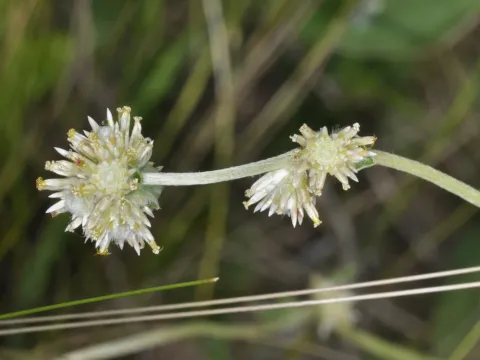
Gomphrena perennis
Gomphrena perennis
Gomphrena perennis is a herbaceous plant belonging to the Amaranthaceae family. It is native to South America, where it thrives in warm, tropical, and subtropical climates.
What the section contains
Gomphrena perennis
This species requires high light exposure and performs best in full sun. It is a drought-tolerant plant that adapts well to various environments provided there is no excessive moisture in the soil.
The ideal growing medium is well-drained, loose soil. Because of its sensitivity to waterlogging, it is crucial to ensure that the site has excellent drainage properties to prevent root rot.
Temperature management is key for the survival of this plant. While it is naturally perennial in warmer climates, in cooler regions, it should be treated as an annual or overwintered in protected, climate-controlled environments.
Agrotechnical practices involve periodic cultivation to control weeds and ensure proper aeration. Fertilization should be focused on the vegetative phase to encourage robust growth before the flowering period begins.
The primary economic use of Gomphrena perennis is in the floral industry, specifically for the production of dried flowers. Its unique inflorescences maintain their structure and color for years if harvested correctly.
Harvesting should occur when the flowers have fully developed but have not yet begun to senesce. Cutting the stems in the early morning, after the dew has evaporated, ensures the highest quality.
Drying is best accomplished by hanging bundles upside down in a dark, dry, and well-ventilated area. This process is essential to ensure that the pigments do not fade under light exposure.
In landscaping, this plant is valued for its compact growth habit and its ability to attract pollinators. It is frequently used in garden borders and specialized flower beds designed for long-lasting color.
Due to its durability after harvesting, the dried material is widely used in home decor, seasonal arrangements, and artistic floral compositions, cementing its status as a valuable commercial ornamental crop.