
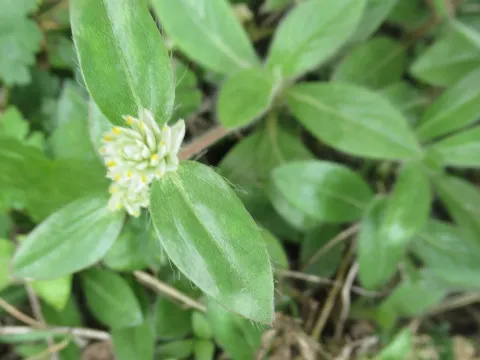
Gomphrena dispersa
Gomphrena dispersa
Gomphrena dispersa is a herbaceous plant species belonging to the Amaranthaceae family. It is known for its resilience and adaptability to various environmental conditions typical of tropical and subtropical regions.
What the section contains
Gomphrena dispersa
The plant thrives in full sun and requires well-drained soil to prevent root issues. It is particularly valued for its drought tolerance, making it a suitable candidate for xeriscaping and low-maintenance agricultural projects.
In terms of soil composition, it prefers sandy or loamy textures that offer excellent aeration. A slightly neutral to alkaline soil pH is optimal for maximizing the nutrient uptake and overall health of the crop.
Climate requirements include high temperatures throughout the growing season. As a heat-loving species, it does not survive frost, which necessitates careful timing when planning the planting schedule in temperate zones.
General maintenance involves weeding the area around the base to reduce competition for nutrients. Minimal fertilization is usually sufficient, as the plant is naturally adapted to survive in relatively low-fertility soils.
Common threats to Gomphrena dispersa include fungal pathogens, particularly those causing root and stem rot. These problems are almost exclusively associated with excessive moisture and poor soil drainage.
Insect pests such as aphids and spider mites can pose a significant threat during periods of high heat and drought. These pests often congregate on the undersides of leaves, causing yellowing and stunted growth.
Management strategies involve rigorous water management to ensure the soil remains moist but never waterlogged. Good air circulation is essential to prevent the spread of fungal spores among the plants.
Chemical control may be necessary in extreme cases, utilizing appropriate fungicides or insecticides. However, integrated pest management practices are preferred to preserve the health of the surrounding ecosystem.
Continuous monitoring of the plant population allows for early detection of potential threats, ensuring that minor infestations do not escalate into large-scale agricultural losses.