
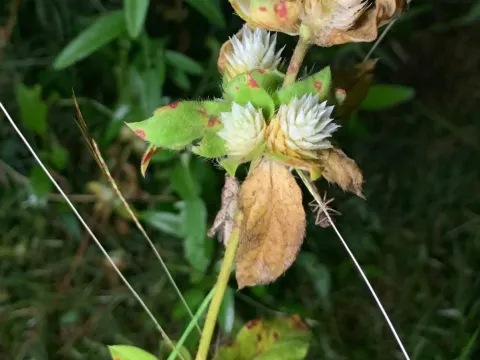
Gomphrena filaginoides
Gomphrena filaginoides
Gomphrena filaginoides is a member of the Amaranthaceae family. This species is native to arid areas of South America and has evolved to survive in environments characterized by long periods of high temperatures and moisture deficiency.
What the section contains
Gomphrena filaginoides
The plant thrives in full sun exposure. It requires well-draining, sandy or loamy soils to prevent root rot, as the species is highly sensitive to waterlogging. It performs best in soils with a neutral pH, although it exhibits significant plasticity across different soil types.
Climatic requirements focus on warmth and light. The crop is drought-tolerant, making it a viable alternative for production in semi-arid regions. It effectively manages its water resources, maintaining turgor even during spells of low precipitation.
Fertilization management should be moderate. Excessive nitrogen levels can lead to succulent growth that is more susceptible to pests, whereas balanced mineral nutrition promotes the development of strong, resilient stems and high-quality floral spikes.
Spatial management is crucial for this crop. Planting density should allow for sufficient airflow between rows to minimize the risk of foliar diseases, particularly in environments with unpredictable humidity fluctuations.
Sowing should be performed when soil temperatures reach at least 15–18 degrees Celsius. Direct drilling is possible in regions with long growing seasons, while short-season areas may require starting the crop in greenhouse conditions.
Seeds should be sown at a shallow depth of approximately 1 centimeter. Because the seeds are small, soil surface contact is essential for successful germination. Pre-sowing hydration can accelerate emergence under slightly cooler conditions.
Standard row spacing ranges from 30 to 45 centimeters. This layout provides enough space for manual or mechanical cultivation, ensuring that the crop is not choked by weeds during the vulnerable early growth stages.
Maintaining adequate moisture during the first 14 days of germination is the most critical agrotechnical task. Once established, the root system of Gomphrena filaginoides penetrates deep into the soil profile, providing enhanced resilience to drought.
Transplanting should be completed before the plants become root-bound in trays. Careful handling of the root ball minimizes transplant shock and helps maintain a uniform crop stand throughout the field.
The primary threats to Gomphrena filaginoides include fungal pathogens such as Fusarium and Rhizoctonia, which typically occur under conditions of poor drainage or excessive soil moisture. These diseases can cause rapid wilting and base rot.
Pests such as aphids and spider mites may occasionally colonize the plants during periods of drought stress. Regular monitoring of the foliage underside is recommended to identify early infestation stages and prevent population explosions.
Leaf spot diseases, caused by various pathogens, can affect the marketability of the crop, especially in areas with high humidity or poor ventilation. Implementing a proper crop rotation strategy helps mitigate the buildup of soil-borne pathogens over time.
Weed competition represents a major threat during the first four weeks of the plant's life. If left uncontrolled, competitive weeds significantly reduce yield by shading the young Gomphrena and depleting available moisture.
Integrated pest management, including the use of certified seed and appropriate field sanitation, is essential for maintaining crop health. Avoiding overhead irrigation during the flowering stage also helps reduce the incidence of moisture-related infections.
Harvesting is primarily timed according to the stage of inflorescence development. For optimal aesthetic quality, the flowers should be harvested just before they reach full maturity, while they are still firm and vibrant.
The stems are cut with sharp tools to ensure clean wounds that heal quickly. Harvesting is best performed in the morning after the dew has evaporated, as this prevents excessive moisture content in the cut material.
Drying is a critical post-harvest step. Stems should be bundled and hung in a shaded, well-ventilated space. This controlled drying process preserves the intense coloration and architectural integrity of the flowers.
For seed production, harvesting is delayed until the flower heads begin to turn brown and dry naturally on the stalk. The seeds must be carefully cleaned and stored in low-humidity conditions to ensure long-term viability for the next season.
Proper harvest logistics, including the quick transition from field to drying facility, are essential for maintaining quality standards. Efficiency in these processes determines the final market value of the agricultural product.