
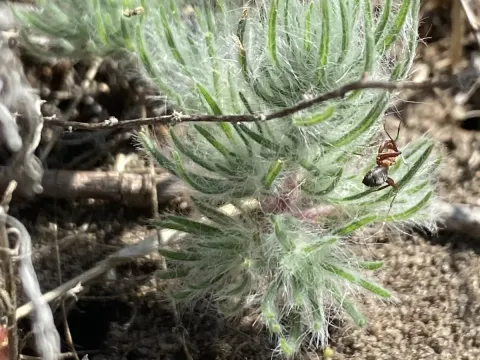
Bassia laniflora
Bassia laniflora
Bassia laniflora is a resilient annual herb belonging to the Amaranthaceae family. It is widely recognized for its ability to thrive in harsh, arid, and semi-desert climates, where most agricultural crops fail to establish due to extreme heat and poor soil quality.
What the section contains
Bassia laniflora
Originating from the steppe and desert regions of Eurasia, this species has evolved to survive in sandy soils and saline environments. Its geographical range spans from Central Asia to parts of Eastern Europe, where it plays a critical role in local ecosystems and land management.
The botanical characteristics of Bassia laniflora are highly adapted to moisture conservation. The plant features a branching stem, typically reaching 50 to 70 cm in height, covered in fine hairs that reduce transpiration. Its root system is deep and extensive, enabling the plant to access subsoil moisture.
Regarding cultivation requirements, the plant is undemanding but thrives best in light, sandy, or loamy soils. It is a heliophilous species, meaning it requires abundant sunlight throughout its growth cycle and does not tolerate competition from taller vegetation or dense shade.
The primary agricultural and environmental use of this species is phytoremediation and soil stabilization. It is frequently employed to fix moving sand dunes, protecting adjacent fertile croplands from desertification and soil erosion caused by wind.
Despite its inherent hardiness, Bassia laniflora can face challenges from common fungal diseases if grown in conditions of prolonged high humidity or waterlogged soil. Root rot and mildew are among the potential issues that may occur in poorly drained areas.
Insect pests can also impact the growth, particularly in the seedling stage. Beetles and various aphid species may feed on the tender tissues, potentially reducing the overall biomass and seed production capacity of the plant if infestations are severe.
Weed competition can be a significant threat during the early development phase. As a relatively slow-growing plant in its initial weeks, it requires management practices to ensure that weeds do not outcompete the crop for essential light and mineral nutrients.
Disease and pest management should prioritize cultural and biological methods rather than heavy chemical usage. Crop rotation and maintaining optimal soil aeration are the most effective ways to prevent pathogen buildup and ensure a healthy stand of plants.
Monitoring the field for signs of chlorosis or abnormal growth patterns is essential for early intervention. While it is a robust species, environmental stress can make it more susceptible to opportunistic pathogens, making proactive field scouting a vital task for any agronomist.