
Bassia odontoptera
Bassia odontoptera
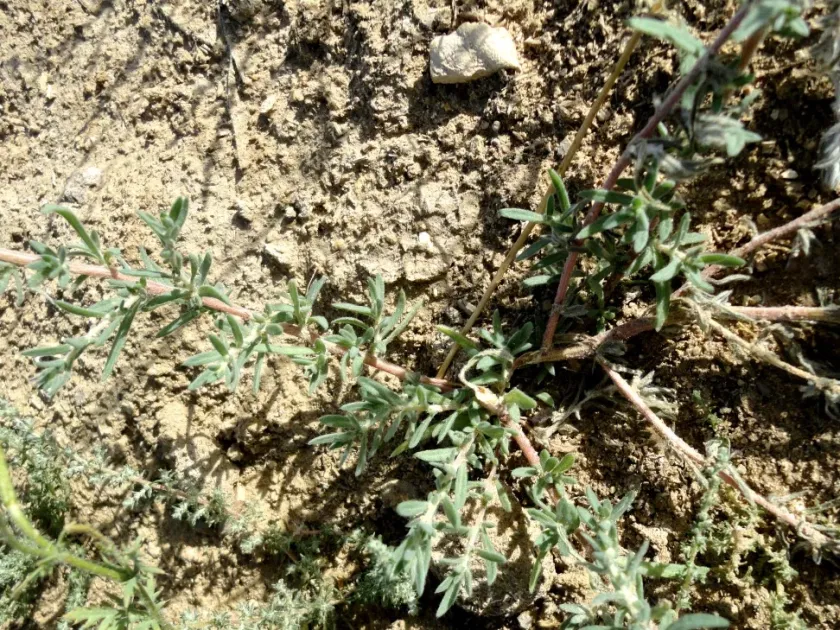
Description
Sowing dates
Bassia odontoptera is an annual herbaceous species that typically completes its life cycle within a relatively short growing window during the spring and early summer.
Seeds are triggered to germinate by the specific combination of rising soil temperatures and moisture availability following the winter dormancy period.
In natural habitats, the sowing process is facilitated by wind dispersal of seeds, which settle in suitable niches across arid and semi-arid landscape surfaces.
Cultivation attempts require precision in planting depth, as the small seeds must remain close to the surface to access necessary heat for rapid germination.
The growth phase is characterized by an initial investment in root development, ensuring that the plant can sustain itself when surface moisture inevitably evaporates.
Growing requirements
As a member of the Amaranthaceae family, this species exhibits remarkable physiological adaptations that allow it to thrive in highly saline environments.
The plant is categorized as a halophyte, meaning it has evolved mechanisms to manage salt uptake and maintain osmotic balance in environments that are toxic to most crops.
High solar irradiance is a fundamental requirement for the development of Bassia odontoptera, as it is a strictly heliophilous plant that requires direct sunlight.
Soil structure should favor drainage, as the plant is highly susceptible to root rot if it remains exposed to stagnant water for extended periods of time.
Climatic requirements focus on heat tolerance, as the species is biologically engineered to flourish under the intense thermal conditions of open desert ecosystems.
Main diseases and pests
The primary threats to Bassia odontoptera include specialized insect herbivores that have co-evolved with the Chenopodiaceae and Amaranthaceae plant groups.
Fungal infections can occur if the plant is grown in areas with poor airflow or humidity levels that exceed its natural physiological tolerance limits.
Competition from invasive plant species can hinder the development of Bassia colonies, especially during the seedling stage when resources are most critical.
Environmental stress, such as extreme late-season drought, can exacerbate the impact of any underlying disease, leading to stunted growth or reduced seed set.
Integrated pest management in experimental settings focuses on maintaining optimal soil drainage and monitoring for aphid or caterpillar infestations early in the cycle.